Ho ho ho! In this Christmas minisode, we’ll be talking about Christmas Markets and a few delicious festive treats, as well as where these things come from and how they’ve changed to the modern day.
More on Evian’s driftwood market, as well as other markets, can be found here.
Joe & Luke visiting a Christmas Market in Dublin earlier this month
Thanks to all our patrons who support the show. We really appreciate your continued backing of us. If you want to join them, more information is available at www.patreon.com/80dayspodcast
In this episode of 80 Days: An Exploration Podcast, we’ll be talking about Tsushima, an island in Nagasaki Prefecture, Japan, which lies in the Tsushima Strait on the western side of Kyushu, the southernmost mainland island of Japan. Tsushima sits between Japan and South Korea, about 60 km from Iki, its closest island neighbour, 138 km from the city of Fukuoka, and 49.5 km from Busan, South Korea.
Tsushima has a total area is 708.61 km2, making up 17.3% of the area of Nagasaki Prefecture and meaning it’s a similar size to Singapore, Dominica or a bit larger than Guam. Sitting astride the Tsushima Strait between Korea and Japan, the island has long been a site of conflict, being disputed between Korea and Japan even into the modern day.
The island famously played witness to the Battle of Tsushima in 1905, a naval engagement which took place just offshore between the Japanese and Russian Navies and resulted in a decisive victory for the Japanese, signaling the end of the Russo-Japanese War which was a major contributing factor in the buildup to the Russian Revolution.
However, Tsushima is best-known for being at the forefront of the Mongol Invasions of Japan in 1274 and 1281, in events which are still commemorated today, and which were immortalized in the 2020 video game Ghosts of Tsushima.
World History Encyclopedia has a lot more detail on The Japanese Invasion of Korea here
Joe also read into Negotiating with Imperialism: The Unequal Treaties and the Culture of Japanese Diplomacy by Michael R. Auslin, which is partially available on Google Books.
For more on the ongoing tensions in the Tsushima Strait, see this article in Observer Research Foundation.
Izuhara Castle Town on Tsushima
Thanks to all our patrons who support the show. We really appreciate your continued backing of us. If you want to join them, more information is available at www.patreon.com/80dayspodcast
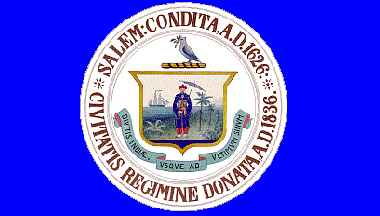
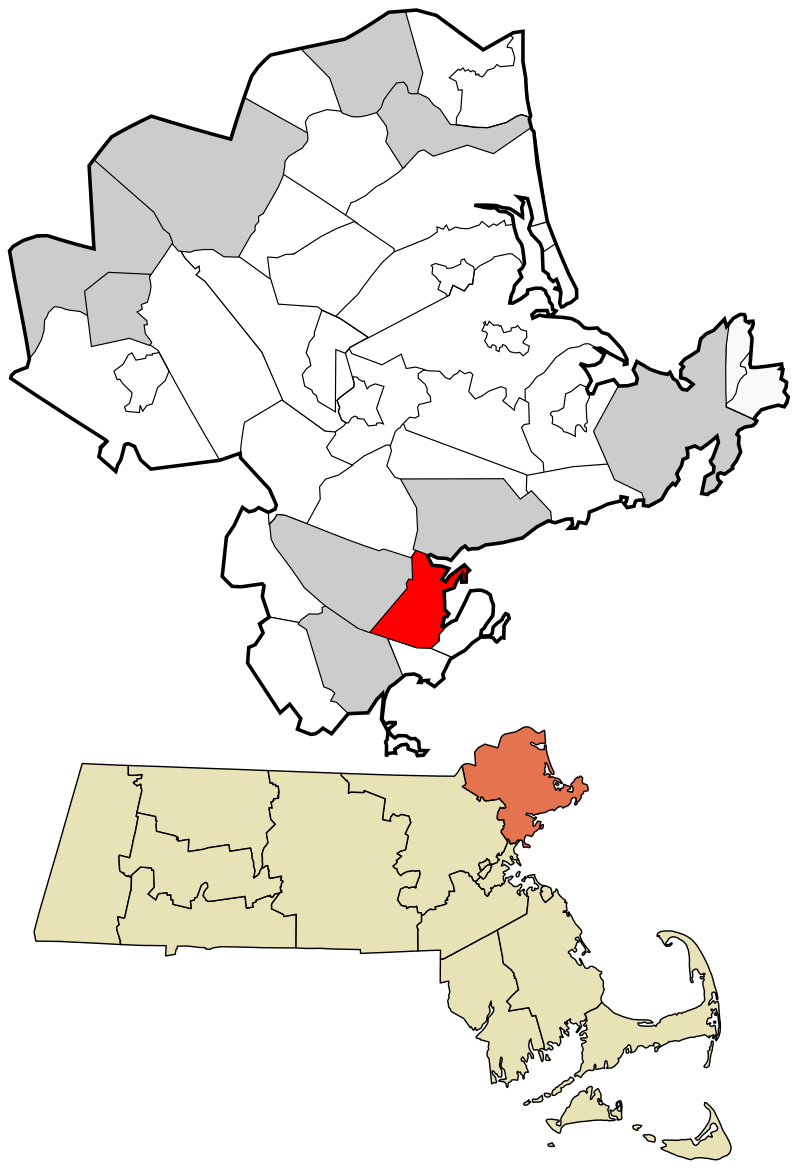
In this episode of 80 Days: An Exploration Podcast, we’ll be talking about Salem, Massachusetts, which has a strong historical connection to the famous witch trials that took place there in the 1690s. Salem lies on Massachusetts Bay between Salem Harbor and Beverly Harbor, lying alongside the Danvers River, which feeds into the harbour. It’s around 20 miles or 35 kilometres north of Boston. The witch trials took place in a small settlement just outside Salem proper then known as Salem Village, but later renamed Danvers, and we’ll likely touch on both throughout. Salem today has a population of around 44,000, while Danvers is home to around 28,000. The area had long been occupied by the indigenous Native American tribe the Massachusett before the arrival of Puritan settlers from England in the 1630s. For obvious reasons, Salem today is one of the most popular destinations in the US to celebrate Halloween, attracting over half a million visitors each year.
This Hallowe’en episode is the debut episode of Season 6. After a longer-than-planned hiatus we are back producing a new season. You’ll notice a few changes in location of your co-hosts during this season.
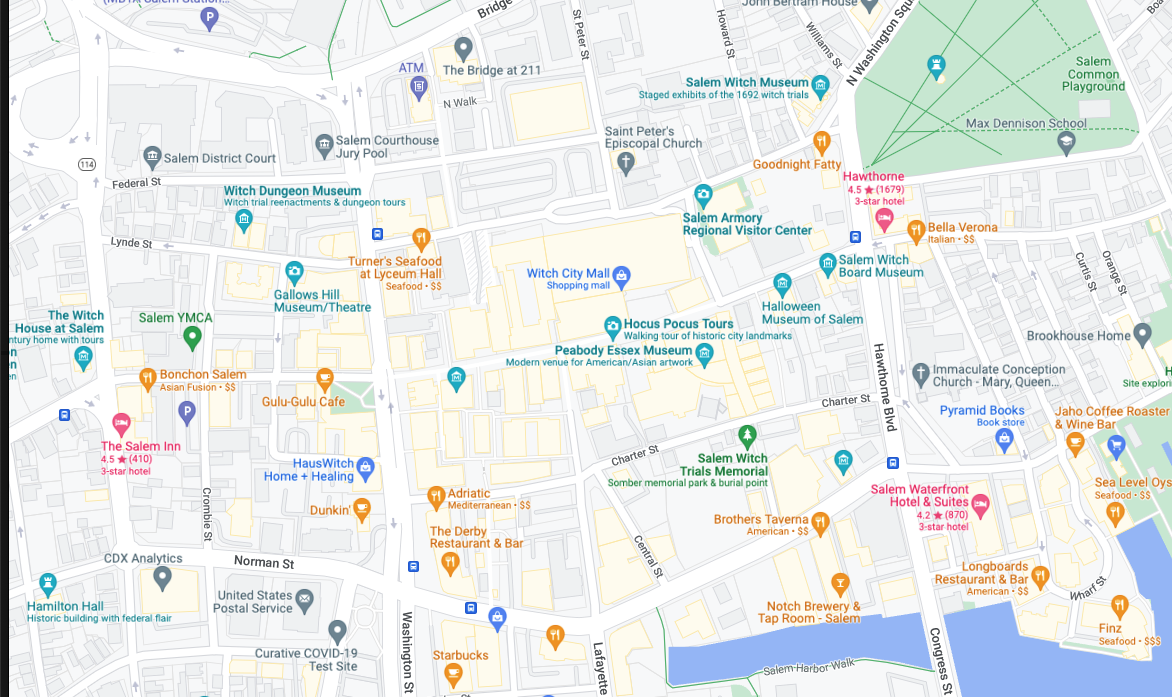
Map of Salem with an over-representation of spookily named businesses
Thanks to all our patrons who support the show. We really appreciate your continued backing of us. If you want to join them, more information is available at www.patreon.com/80dayspodcast
In this episode of 80 Days: An Exploration Podcast, we’re (sort of) exploring the history of the North Pole, and in particular, it’s significance to the Christmas season. We also conduct our now-traditional Christmas quiz, and give a brief update on Season 6. From all of us, have a very merry festive season, and we’ll see you in 2023.
Thanks to all our patrons who support the show. We really appreciate your continued backing of us. If you want to join them, more information is available at www.patreon.com/80dayspodcast
In this episode of 80 Days: An Exploration Podcast, thanks to our backers on Patreon, we’ll be talking about Kalmykia, a republic and country of Russia located directly north of the North Caucasus in Eastern Europe, between Ukraine and Kazakhstan, only around 200 miles or 350km north of Georgia. The Kalmyks, of Mongol origin, migrated to the Caspian region in the 17th century from Central Asia. They were mainly nomadic cattle breeders. Kalmykiya was established in 1920 as an autonomous oblast (region); in 1936 it became a republic, which was abolished in 1944 when the Kalmyks were exiled for alleged collaboration with the Germans during WW2.
The territory of Kalmykia is unique in that it has been the home in successive periods to many major world religions and ideologies. Prehistoric paganism and shamanism gave way to Judaism amongst some of the Khazars (who included Muslims and Christians in equal or greater numbers as well). This was succeeded by Islam with the Alans while the Mongol hordes brought Tengriism, and the later Nogais were Muslims, before their replacement by the present-day Buddhist Oirats/Kalmyks. It now stands as the only Buddhist region in Europe.
The republic covers an area of around 76,000 square kilometres (or almost 30,000 square miles), making it a similar size to Panama, Czechia or the US state of South Carolina. With a population of about 275,000 residents Kalmykia ranks among the smallest of Russia’s federal districts in terms of population.
The Kalmyks benefit from their relatively high levels of education and strong international connections. Overseas communities are found today in many parts of Europe and in the United States. The head of the religious establishment in Kalmykia itself was born in Philadelphia before being recognized by the Dalai Lama as a reincarnation of a Buddhist saint.
The capital and largest city of the republic is Elista, which has gained a reputation for, of all things, international chess. And for you Star Wars fans, the Ewok language was based on Kalmyk, because George Lucas thought it sounded so odd.
As we mention in the episode, this finale to season 5 was voted on by our Patreon backers, and thanks as always to all of them for their support. You can sign up to Patreon to get a say in the episodes we cover in the seasons to come.
Thanks to all our patrons who support the show. We really appreciate your continued backing of us. If you want to join them, more information is available at www.patreon.com/80dayspodcast
In this episode of 80 Days: An Exploration Podcast, we’ll be talking about Hawaii, and specifically the Big Island of Hawaii. Which is also called Hawaii.
Hawaii is the southeasternmost of the Hawaiian Islands, which make up the US state of Hawaii. The island makes up 63% of the archipelago’s landmass, but only 13% of its total population. The island is the third largest island in Polynesia, behind the two main islands of New Zealand. With a total area of around 10,000 km2 (or 4,000 square miles), Hawaii is similar in size to the islands of Puerto Rico or Cyprus, or our old friend Gambia.
With a rich history and culture, Hawaii and its sister islands flourished as ancient societies, developing unique religions and customs, that is until the arrival of one Captain James Cook. In 1779 the famous explorer made his second and final landing here, and would not make it off the island alive. By the end of the century, the islands came under the protection of the British Crown, and missionaries soon followed, changing island life forever. The 1800s brought modern developments and the consolidation of the Kingdom of Hawaii, but ended in the annexation of the territory by the United States, a controversial episode to this day. In 1959, Hawaii becomes the 50th State, now famous for tourism, spam and pineapples. Hawaii Island, also known simply as The Big Island, is today home to around 185,000 people, and due to ongoing volcanic activity, Hawaii is the only US state that is still growing.
A great website for all things Big Island is Love Big Island, and is particularly useful for tourists wishing to visit, but also helped us with plenty of history.
Rethinking the Native Hawaiian Past By Kanalu G. Terry Young is available on Google Books.
Hawaii: The Aloha State By Robin Doak has a lot more on the process of annexation, which you can find on Google Books.
The Eisenhower Library has more on Hawaii’s journey to statehood, which you can find here.
Smithsonian Magazine has an excellent article on Liliʻuokalani, the Last Queen of Hawaiʻi.
The Stuff You Should Know episode on the annexation is available here. Thanks, Josh and Chuck!
Richard B Frank’s article in TIME, headlined How Hawaii’s Japanese Population Was Spared Internment During World War II was a key source for that section of the show.
For more on the totally not supervillian Starfish Prime, you can check out this article in Discover Magazine.
Hawaii Beef also has lots of info on cattle farming on the islands.
Finally, the season of the Offshore Podcast on race relations in Hawaii can be found here. It’s definitely worth a listen.
Thanks to all our patrons who support the show. We really appreciate your continued backing of us. If you want to join them, more information is available at www.patreon.com/80dayspodcast
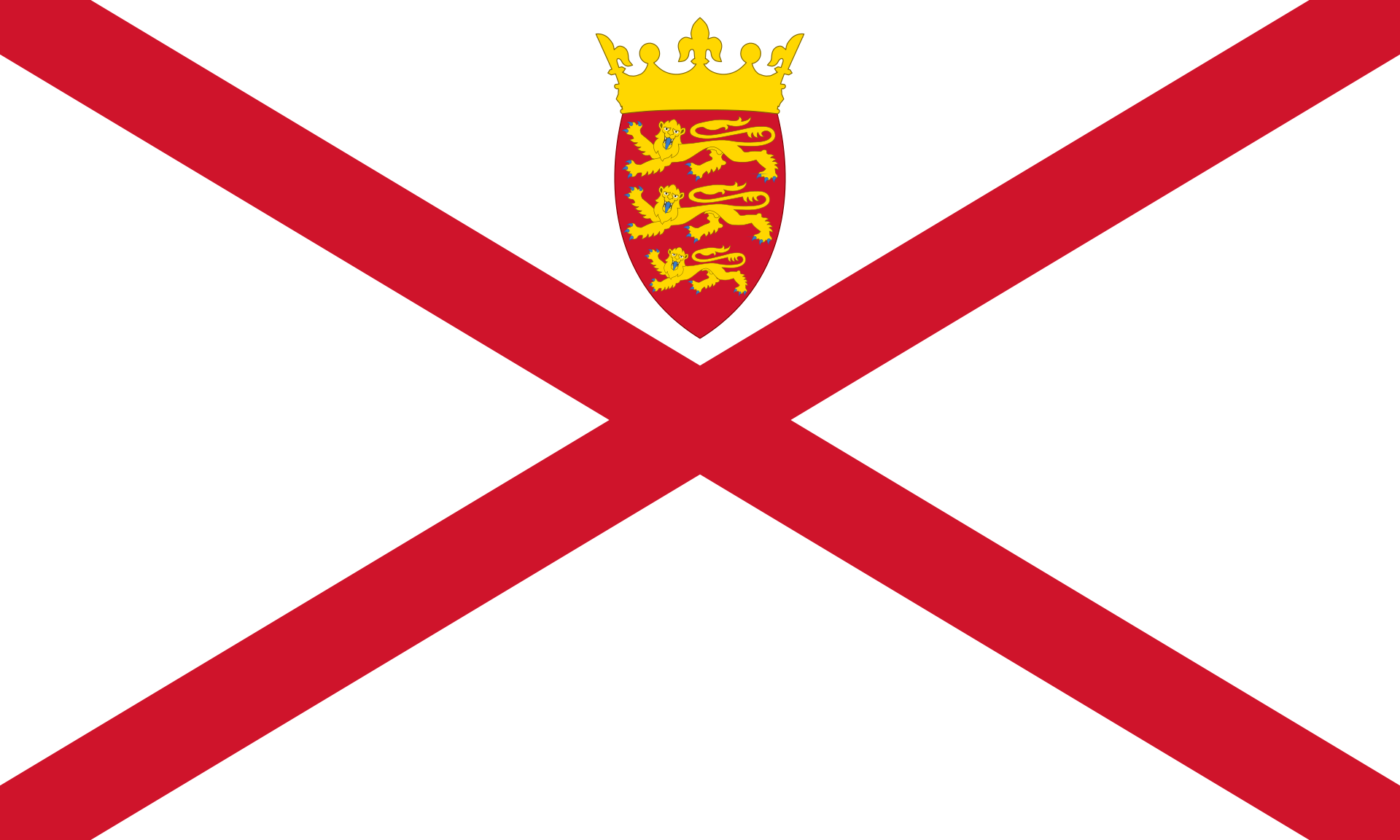
In this episode of 80 Days: An Exploration Podcast, we’ll be talking about the Bailiwick ofJersey, the largest of the Channel Islands lying just off the coast of Northern France. Jersey is a Crown Dependency so is not actually a part of the UK, just like the Isle of Man, which we covered in Season 1. Today, Jersey has a population of just under 100,000, and a total land area of around 120 km2 or 45 sq mi, making it a similar size to the US island of Nantucket, or slightly smaller than our old friend Liechtenstein.
While most residents speak English and identify as British, the proximity of Jersey and the other Channel islands to France has heavily influenced their culture and their history, and French is an official second language. Jersey also has its own local language, based on French, called Jèrriais. The island was documented by the Romans, known to them as Caesarea, and was part of the Duchy of Normany until the early 13th Century, when it was reorganized and became a territory in its own right. By the end of the 15th century, Jersey was granted its own governor. An individual, now called the Lieutenant Governor, is today the personal representative of the Queen on the island. Jersey was the only part of the British Isles to be occupied by the Nazis during WW2, and was one of the last places in Europe to be liberated.
Jersey has one of the highest numbers of cars per person in the world, and because of the historical popularity of Jersey wool, knitted sweaters came to be called jerseys, after the island, with the term first recorded in 1837. And yes, this island is the namesake of the US state of New Jersey. It’s been calculated that Jersey would fit 189 times into New Jersey – 95 times if the tide is out.
Worth a watch is an ethnographic documentary on Jerriais “Music as a tool to safeguard endangered languages” by Manuela Camillo MA of Goldsmith University, London:Man Bieau P’tit Jèrriais – YouTube, which features the band Badlabecques prominently
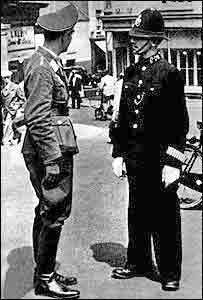
The Death of Major Pierson, by John Singleton Copley (Battle of Jersey)The photo from the German occupation, which Luke Davis mentioned. [source]
Thanks to all our patrons who support the show. We really appreciate your continued backing of us. If you want to join them, more information is available at www.patreon.com/80dayspodcast
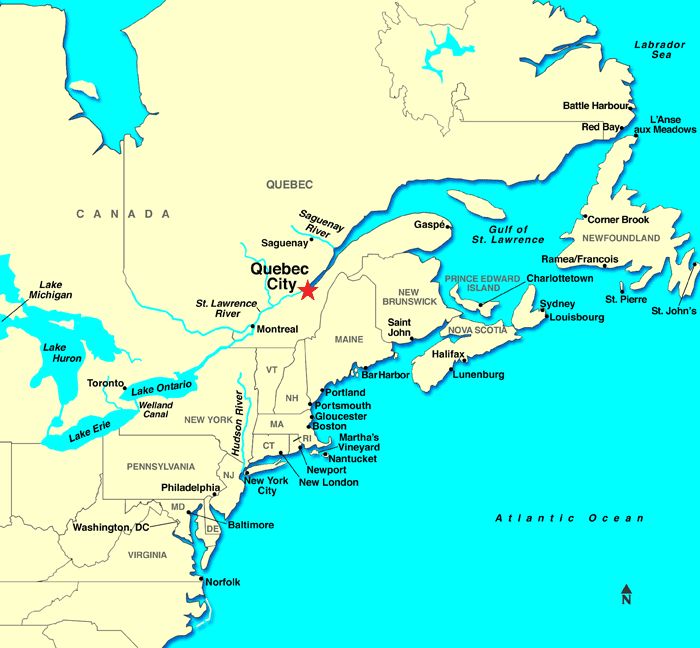
In this episode of 80 Days: An Exploration Podcast, we’ll be talking about the only walled city north of Mexico on the American Continent – Quebec City. The capital city of Canada’s Quebec province, the city is located on the St Lawrence River, around 500 kilometres from the Eastern coast of Canada, and around 700km northeast of New York City. Founded in July 1608 by Samuel de Champlain, a French explorer, Quebec City originated as Stadacona, a Iroqious Native American settlement, before the arrival of Europeans. A base for the French exploration and colonisation of what would become New France, Quebec remains a hub of French-Canadian culture and history, with French serving as the primary language, as throughout the wider province of Quebec. In 1775, American troops led by Benedict Arnold attempted to invade and take over Quebec City in the Battle of Quebec to “liberate” the region from the British. The siege was unsuccessful, however, and Quebec did not become the 14th colony; instead, it remained under British rule until Canada became its own country in 1867. Today, the city is home to just over half a million residents, making it the eleventh-largest city in Canada, similar in urban population to Albuquerque, New Mexico or Dublin, Ireland. The city’s curious name was taken from the native term for “where the river narrows” after its location on the banks of the St Lawrence River.
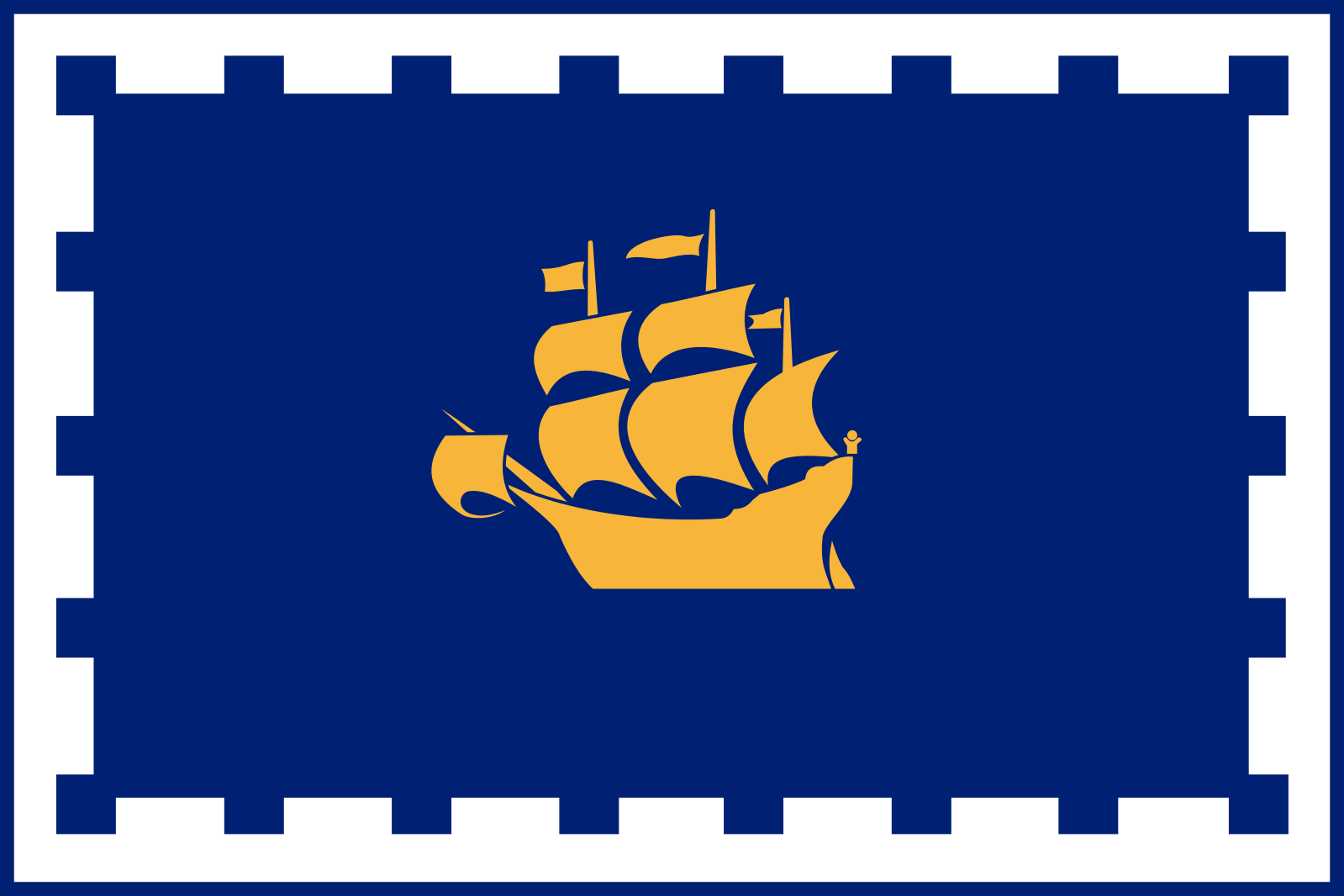
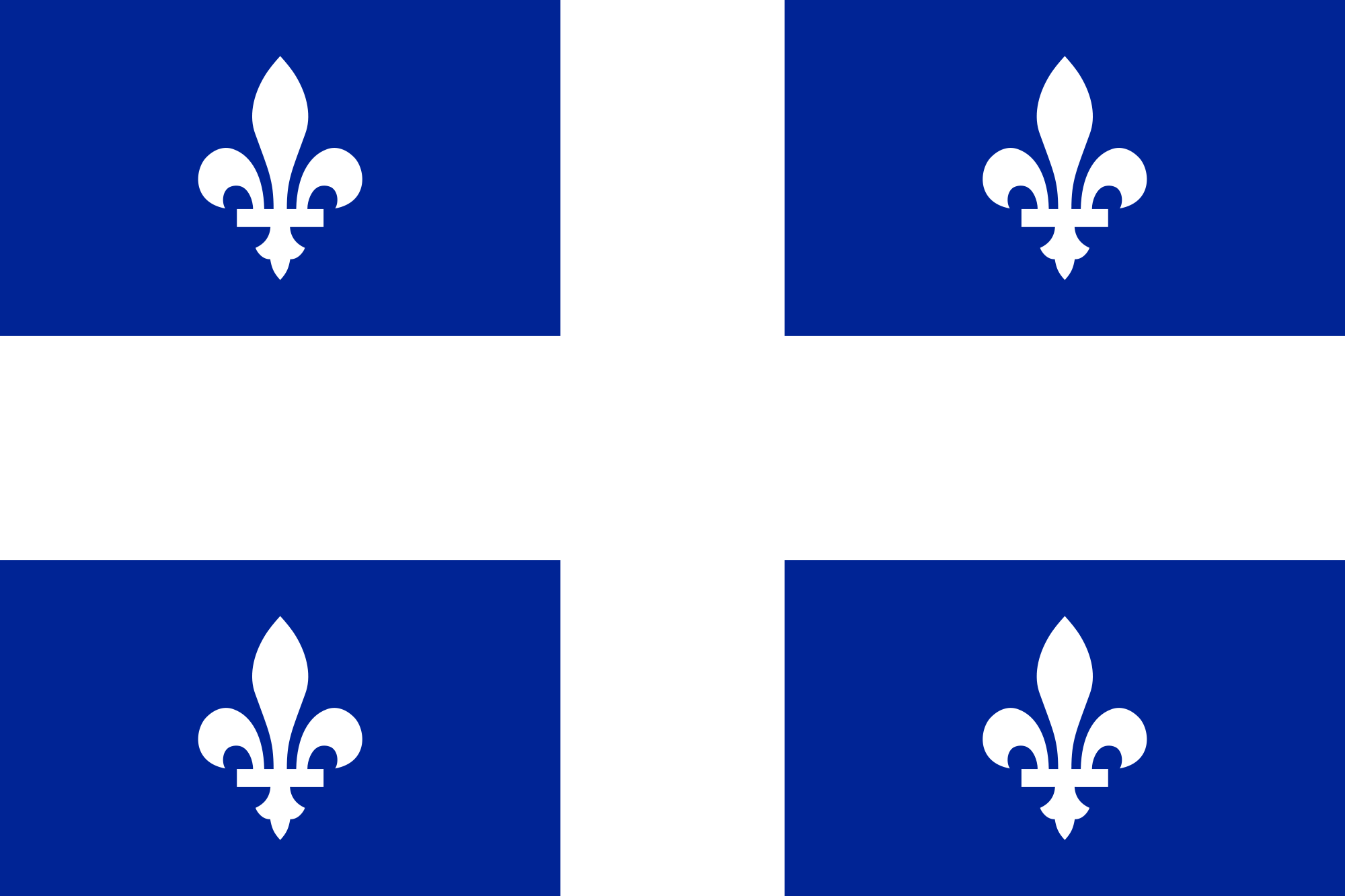
Flag of the City of Quebec (left), and the province of Quebec (right)
We’ve also just launched a merch store in associated with TeePublic. You can find our store by clicking here, with exclusive discounts at the time of publishing.
Further information and some of the sources we consulted can be found below:
You can find A Short History of Quebec By John Alexander Dickinson, Brian J. Young on Google Books here.
Another source for this episode was History of Quebec For Dummies By Éric Bédard, found here.
We’d also recommend A People’s History of Quebec by Jacques Lacoursière, Robin Philpot · 2009.
The final song of the episode is “La Ziguezon” and can be found here.
We also featured a clip of some Wendat music, which can be found here.
Thanks to all our patrons who support the show. We really appreciate your continued backing of us. If you want to join them, more information is available at www.patreon.com/80dayspodcast
As we mentioned, Patreon proceeds from this episode will go to the Red Cross to help refugees fleeing the war in Ukraine.
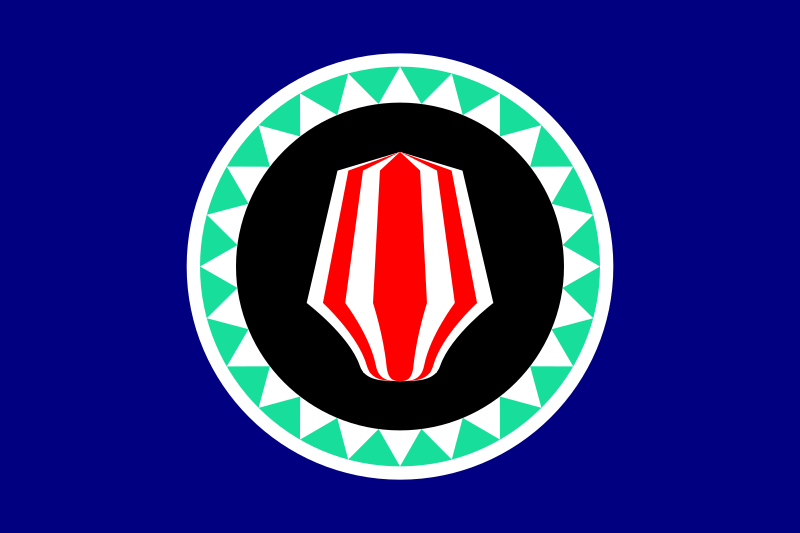
In this episode of 80 Days: An Exploration Podcast, we’ll be talking about Bougainville, the main island of the Autonomous Region of Bougainville, which is part of Papua New Guinea. Located 1,000 kilometers east of the mainland national capital of Port Moresby, Bougainville is the most remote of Papua New Guinea’s 19 provinces. Bougainville is the largest island in the Solomon Islands archipelago, lying around 1500km or 1000 miles off the northeast coast of Australia, in the Solomon Sea. Most of the islands in this archipelago (which are primarily concentrated in the southern and eastern portions of it) are part of the politically independent Solomon Islands. At around 3,500 square miles or just under 9,000 square km, Bougainville is comparable in size to Hawaii’s largest island, Puerto Rico or Cyprus. Residents speak Tok Pisim, a pidgin language spoken widely in this region, in addition to 20 different indigenous languages, depending on where they are from, and the region currently has a population of around 250,000. Inhabited by humans for at least 29,000 years, Bougainville was first discovered by Europeans in 1616, and was named for the French explorer Louis Antoine de Bougainville, one of the first people to circumnavigate the globe. The German Empire annexed present-day Bougainville in 1886, before the islands were occupied in 1914 by Australia during World War 1. Taken by Japan in 1942, the islands were fought over by both sides during the latter years of World War 2, and have retained a secessionist streak since the mid 1960s. However, tensions between different factors remain unresolved to this day, and while officially the island is today an autonomous region of Papua New Guinea, many still push for independence, particularly following a bloody 10-year civil war which concluded in 1997. A referendum in 2019 voted overwhelmingly in favour of independence, but the exact implementation of that still remains to be seen.
Flag of the Autonomous Region of Bougainville, and map of location within Papua New Guinea
We’ve also just launched a merch store in associated with TeePublic. You can find our store by clicking here, with exclusive discounts at the time of publishing.
Further information and some of the sources we consulted can be found below:
Our most valuable single source for this episode was the valuable collection of essays “Bougainville: before the conflict”, which can be found at this link
Thanks to all our patrons who support the show. We really appreciate your continued backing of us. If you want to join them, more information is available at www.patreon.com/80dayspodcast
This episode, we’d particularly like to thank new patrons, Dana Fox, AC C, Daniella Sponsler, Stepehen M, and some long-standing supporters: Emily Cranfill, Collin Macharyas, Simon Greene, Nathan Hixson, Darren Clarke, Erin Barclay and Mark Wood.
In this festive episode of 80 Days: An Exploration Podcast, we’ll be taking a look at some Christmas traditions from around the world that we’ve discovered. We’re also joined by a special guest or two, as you’ll hear early on in the podcast. Hopefully this episode provides some distraction from the world at large, and brings a bit of festive cheer. Merry Christmas from all of us at 80 Days.
We’ve also just launched a merch store in associated with TeePublic. You can find our store by clicking here, with exclusive discounts at the time of publishing.
For more on the festival of St Nicholas in Fribourg, see here.
And for roller skating folks on their way to Christmas Mass, Metro UK has you covered.
Mark and his new recording buddies.
Thanks to all our patrons who support the show. We really appreciate your continued backing of us. If you want to join them, more information is available at www.patreon.com/80dayspodcast








 80 Days