Burkina Faso (S6.03)

Audio: Burkina Faso

In this episode of 80 Days: An Exploration Podcast, we’ll be talking about Burkina Faso (formerly the French Upper Volta), a landlocked country in West Africa bordered by Mali to the northwest, Niger to the northeast, Benin to the southeast, Togo and Ghana to the south, and Côte d’Ivoire to the southwest. As of 2021, the country had an estimated population of just over 20,000,000. Total land area is around  274,000 km² (or roughly 106,000 sq mi), making it slightly smaller than Italy, slightly larger than New Zealand or the US state of Colorado. Burkina Faso has a primarily tropical climate with two very distinct seasons, wet and dry. Its northern regions are in the Sahel, making them very dry and arid, while the more southern regions are cooler and more tropical. 

The Mossi people, which still dominates the country today, moved into the region around 1100, and still makes up around 50% of the ethnic population. These were a tribal, agrarian society with a love of horses. Other important ethnic groups include include Fulani 8.4%, Gurma 7%, Bobo 4.9%, Gurunsi 4.6% Senufo 4.5%, Bissa 3.7%, Lobi 2.4%, Dagara 2.4%,  Tuareg/Ikelan 1.9%, Dioula 0.8% (percentages of modern population). In 1896, it was colonized by the French as part of French West Africa; in 1958, a new nation named Upper Volta became a self-governing colony within the French Community. In 1960, it gained full independence with Maurice Yaméogo as president. However, since then the country has struggled to maintain political stability, with political coups or uprisings taking place in 1966, 1980, 1982, 1983, 1987, and twice in 2022.

The nation is quite poor, and is one of the world’s least-economically developed, with around 75% of people to this day living off subsistence agriculture. Burkinabe farmers are well-known for working to music, usually drums. Burkina Faso is also one of the youngest countries in the world, thanks to very high fertility (Women have on average 5 children each) and a low average life expectancy, which currently stands at just under 60, among the lowest in the world. The median age is only around 17, and this has caused a massive spike in population over the past half-century, as yearly population growth rate is more than double the world average.

Your hosts, as always, are Luke Kelly @thelukejkelly in Dublin, Ireland, Mark Boyle @markboyle86 in Toronto, Canada, and Joe Byrne @anbeirneach in Dublin, Ireland. Our theme music and other stings come from Thomas O’Boyle @thatthomasfella.

Some further reading material is provided below:

Music includes:

Boukary Koutou, also known as Wobgho, the Mossi King of Ouagadougou with his personal escort of Mossi cavalry, Burkina Faso. From “Du Niger au Golfe de Guinée par le pays de Kong et le Mossi” by Binger, Louis Gustave, 1892, page 35, illustrated by Édouard Riou.
The Grand Mosque of Bobo-Dioulasso, Burkina Faso by JamesA (Wikimedia Commons)


Thanks to all our patrons who support the show. We really appreciate your continued backing of us. If you want to join them, more information is available at www.patreon.com/80dayspodcast

Tsushima (S6.02)

Audio: Tsushima

In this episode of 80 Days: An Exploration Podcast, we’ll be talking about Tsushima, an island in Nagasaki Prefecture, Japan, which lies in the Tsushima Strait on the western side of Kyushu, the southernmost mainland island of Japan. Tsushima sits between Japan and South Korea, about 60 km from Iki, its closest island neighbour, 138 km from the city of Fukuoka, and 49.5 km from Busan, South Korea.

Tsushima has a total area is 708.61 km2, making up 17.3% of the area of Nagasaki Prefecture and meaning it’s a similar size to Singapore, Dominica or a bit larger than Guam. Sitting astride the Tsushima Strait between Korea and Japan, the island has long been a site of conflict, being disputed between Korea and Japan even into the modern day.  

The island famously played witness to the Battle of Tsushima in 1905, a naval engagement which took place just offshore between the Japanese and Russian Navies and resulted in a decisive victory for the Japanese, signaling the end of the Russo-Japanese War which was a major contributing factor in the buildup to the Russian Revolution. 

However, Tsushima is best-known for being at the forefront of the Mongol Invasions of Japan in 1274 and 1281, in events which are still commemorated today, and which were immortalized in the 2020 video game Ghosts of Tsushima.  

Your hosts, as always, are Luke Kelly @thelukejkelly in Dublin, Ireland, Mark Boyle @markboyle86 in Toronto, Canada, and Joe Byrne @anbeirneach in Dublin, Ireland. Our theme music and other stings come from Thomas O’Boyle @thatthomasfella.

Some further reading material is provided below:

tsushima_rizcrescini_024

Izuhara Castle Town on Tsushima


Thanks to all our patrons who support the show. We really appreciate your continued backing of us. If you want to join them, more information is available at www.patreon.com/80dayspodcast

Salem (S6.01)

Audio: Salem

In this episode of 80 Days: An Exploration Podcast, we’ll be talking about Salem, Massachusetts, which has a strong historical connection to the famous witch trials that took place there in the 1690s. Salem lies on Massachusetts Bay between Salem Harbor and Beverly Harbor, lying alongside the Danvers River, which feeds into the harbour. It’s around 20 miles or 35 kilometres north of Boston. The witch trials took place in a small settlement just outside Salem proper then known as Salem Village, but later renamed Danvers, and we’ll likely touch on both throughout. Salem today has a population of around 44,000, while Danvers is home to around 28,000. The area had long been occupied by the indigenous Native American tribe the Massachusett before the arrival of Puritan settlers from England in the 1630s. For obvious reasons, Salem today is one of the most popular destinations in the US to celebrate Halloween, attracting over half a million visitors each year.  

This Hallowe’en episode is the debut episode of Season 6. After a longer-than-planned hiatus we are back producing a new season. You’ll notice a few changes in location of your co-hosts during this season.

Your hosts, as always, are Luke Kelly @thelukejkelly in Dublin, Ireland, Mark Boyle @markboyle86 in the UK, and Joe Byrne @anbeirneach in Galway, Ireland. Our theme music and other stings come from Thomas O’Boyle @thatthomasfella. With additional music from Ivan Duch, and Boston.

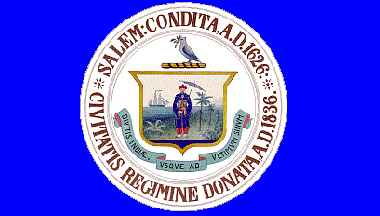
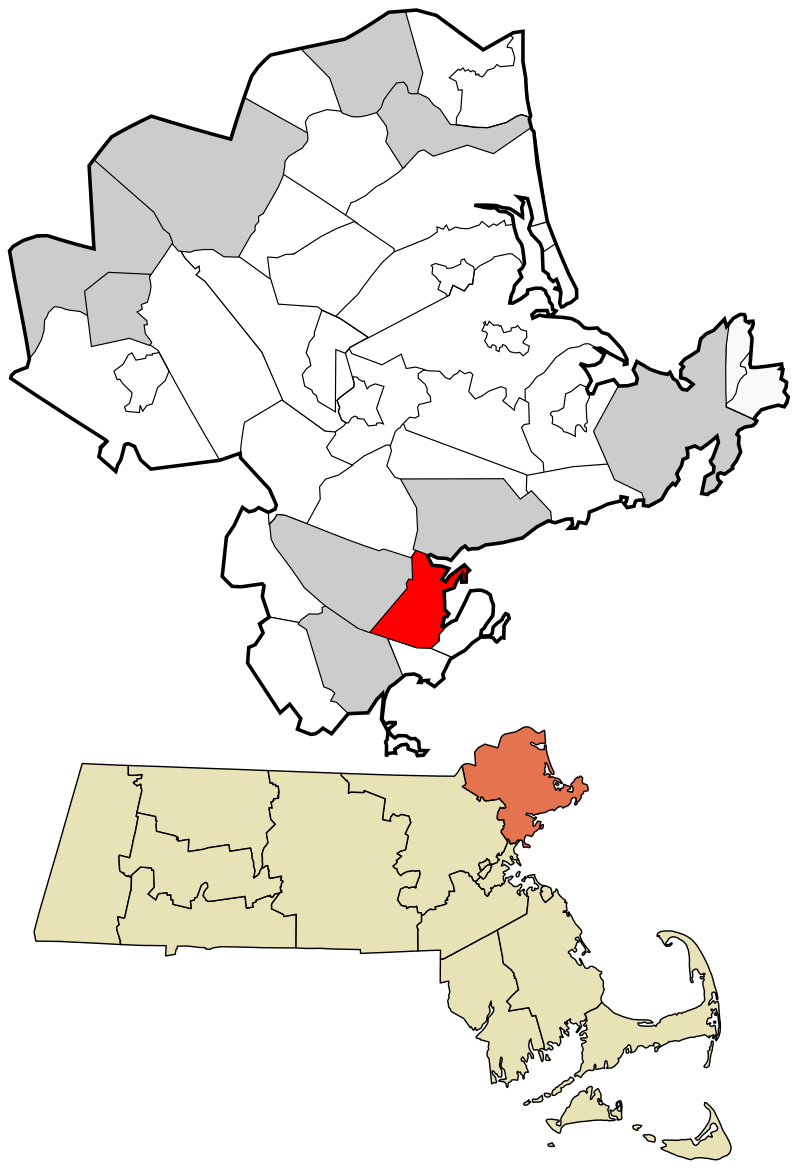
Flag of Salem   Location in Essex County, Massachusetts

Some further reading material is provided below:

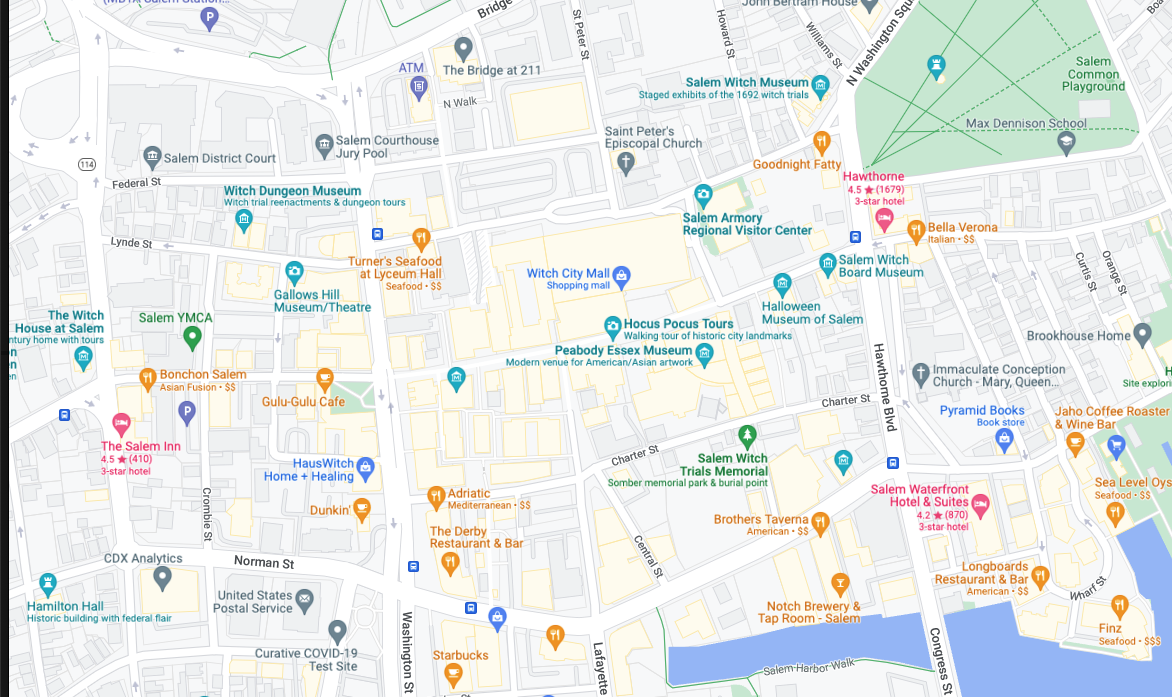
Map of Salem with an over-representation of spookily named businesses


Thanks to all our patrons who support the show. We really appreciate your continued backing of us. If you want to join them, more information is available at www.patreon.com/80dayspodcast

Hawaii (S5.09)

Audio: Hawaii

In this episode of 80 Days: An Exploration Podcast, we’ll be talking about Hawaii, and specifically the Big Island of Hawaii. Which is also called Hawaii.

Hawaii is the southeasternmost of the Hawaiian Islands, which make up the US state of Hawaii. The island makes up 63% of the archipelago’s landmass, but only 13% of its total population. The island is the third largest island in Polynesia, behind the two main islands of New Zealand. With a total area of around 10,000 km2 (or 4,000 square miles), Hawaii is similar in size to the islands of Puerto Rico or Cyprus, or our old friend Gambia.   

With a rich history and culture, Hawaii and its sister islands flourished as ancient societies, developing unique religions and customs, that is until the arrival of one Captain James Cook. In 1779 the famous explorer made his second and final landing here, and would not make it off the island alive. By the end of the century, the islands came under the protection of the British Crown, and missionaries soon followed, changing island life forever. The 1800s brought modern developments and the consolidation of the Kingdom of Hawaii, but ended in the annexation of the territory by the United States, a controversial episode to this day. In 1959, Hawaii becomes the 50th State, now famous for tourism, spam and pineapples. Hawaii Island, also known simply as The Big Island, is today home to around 185,000 people, and due to ongoing volcanic activity, Hawaii is the only US state that is still growing.

Hawaii_map 

Hawaii-flag

Your hosts, as always, are Luke Kelly @thelukejkelly in Dublin, Ireland, Mark Boyle @markboyle86 in the UK, and Joe Byrne @anbeirneach in Galway, Ireland. Our theme music and other stings come from Thomas O’Boyle @thatthomasfella. Thanks to Kuʻu Kauanoe one of the hosts of the Offshore Podcast from Honolulu Civil Beat, for speaking to us for this episode – you will hear clips from her interview throughout.

1402px-Distant_view_of_the_suburbs_of_Hilo,_Hawaii,_1907_(CHS-427)

The city of Hilo in 1907

Some further reading material is provided below:

  • A great website for all things Big Island is Love Big Island, and is particularly useful for tourists wishing to visit, but also helped us with plenty of history.
  • Rethinking the Native Hawaiian Past By Kanalu G. Terry Young is available on Google Books.
  • For more on the Kapu system, see storymaps.com
  • Hawaii: The Aloha State By Robin Doak has a lot more on the process of annexation, which you can find on Google Books.
  • The Eisenhower Library has more on Hawaii’s journey to statehood, which you can find here.
  • Smithsonian Magazine has an excellent article on Liliʻuokalani, the Last Queen of Hawaiʻi.
  • The Stuff You Should Know episode on the annexation is available here. Thanks, Josh and Chuck!
  • Richard B Frank’s article in TIME, headlined How Hawaii’s Japanese Population Was Spared Internment During World War II was a key source for that section of the show.
  • For more on the totally not supervillian Starfish Prime, you can check out this article in Discover Magazine.
  • Hawaii Beef also has lots of info on cattle farming on the islands.
  • Finally, the season of the Offshore Podcast on race relations in Hawaii can be found here. It’s definitely worth a listen.

green-sand-beach-hawaii-pictures
Check out that green sand!

The music used in this episode is as follows:


Thanks to all our patrons who support the show. We really appreciate your continued backing of us. If you want to join them, more information is available at www.patreon.com/80dayspodcast

Jersey (S5.08)

Audio: Jersey

In this episode of 80 Days: An Exploration Podcast, we’ll be talking about the Bailiwick of Jersey, the largest of the Channel Islands lying just off the coast of Northern France. Jersey is a Crown Dependency so is not actually a part of the UK, just like the Isle of Man, which we covered in Season 1.  Today, Jersey has a population of just under 100,000, and a total land area of around 120 km2 or 45 sq mi, making it a similar size to the US island of Nantucket, or slightly smaller than our old friend Liechtenstein

While most residents speak English and identify as British, the proximity of Jersey and the other Channel islands to France has heavily influenced their culture and their history, and French is an official second language. Jersey also has its own local language, based on French, called Jèrriais.  The island was documented by the Romans, known to them as Caesarea, and was part of the Duchy of Normany until the early 13th Century, when it was reorganized and became a territory in its own right. By the end of the 15th century, Jersey was granted its own governor. An individual, now called the Lieutenant Governor, is today the personal representative of the Queen on the island. Jersey was the only part of the British Isles to be occupied by the Nazis during WW2, and was one of the last places in Europe to be liberated. 

Jersey has one of the highest numbers of cars per person in the world, and because of the historical popularity of Jersey wool, knitted sweaters came to be called jerseys, after the island, with the term first recorded in 1837. And yes, this island is the namesake of the US state of New Jersey. It’s been calculated that Jersey would fit 189 times into New Jersey – 95 times if the tide is out.

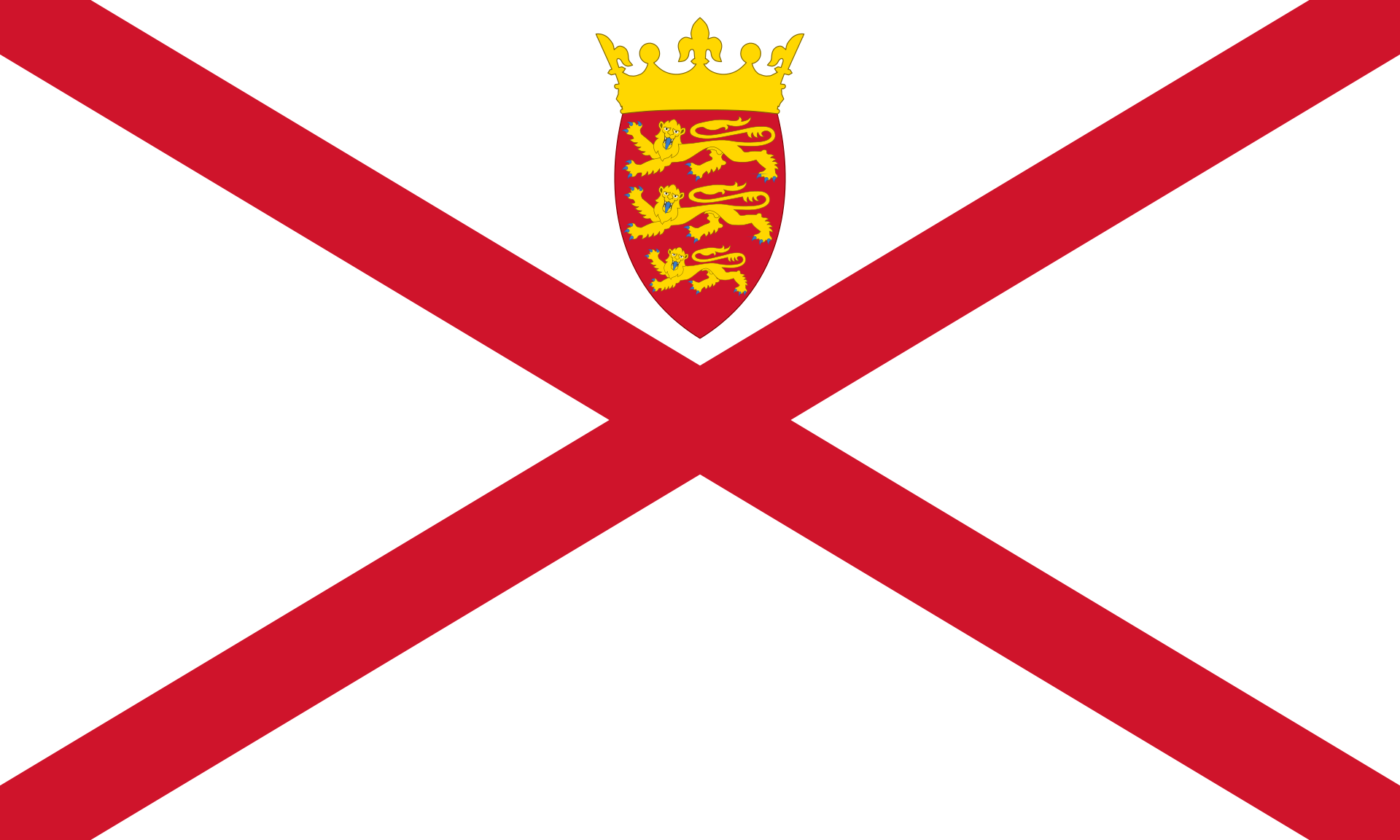
Location of Jersey (green) in Europe (dark grey)Flag of Bailiwick of Jersey

Your hosts, as always, are Luke Kelly @thelukejkelly in Dublin, Ireland, Mark Boyle @markboyle86 in the UK, and Joe Byrne @anbeirneach in Galway, Ireland. Our theme music and other stings come from Thomas O’Boyle @thatthomasfella. Thanks to Luke Davis, a member of the Société Jersiaise, for speaking to us for this episode – you will hear clips from his interview throughout.

Some further reading material is provided below:

The Death of Major Pierson, by John Singleton Copley (Battle of Jersey)
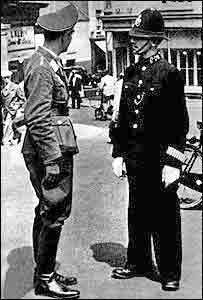
The photo from the German occupation, which Luke Davis mentioned. [source]

Thanks to all our patrons who support the show. We really appreciate your continued backing of us. If you want to join them, more information is available at www.patreon.com/80dayspodcast
Minisode: Christmas Traditions Around the World

Audio: Christmas Traditions Around the World

In this festive episode of 80 Days: An Exploration Podcast, we’ll be taking a look at some Christmas traditions from around the world that we’ve discovered. We’re also joined by a special guest or two, as you’ll hear early on in the podcast. Hopefully this episode provides some distraction from the world at large, and brings a bit of festive cheer. Merry Christmas from all of us at 80 Days.

Your hosts, as always, are Luke Kelly @thelukejkelly in Dublin, Ireland, Mark Boyle @markboyle86 in the UK, and Joe Byrne @anbeirneach in Galway, Ireland. Our theme music and other stings come from Thomas O’Boyle @thatthomasfella. 

We’ve also just launched a merch store in associated with TeePublic. You can find our store by clicking here, with exclusive discounts at the time of publishing. 

This slideshow requires JavaScript.

Mark and his new recording buddies.

Thanks to all our patrons who support the show. We really appreciate your continued backing of us. If you want to join them, more information is available at www.patreon.com/80dayspodcast
Paris Catacombs (S5.04)

Audio: Paris Catacombs

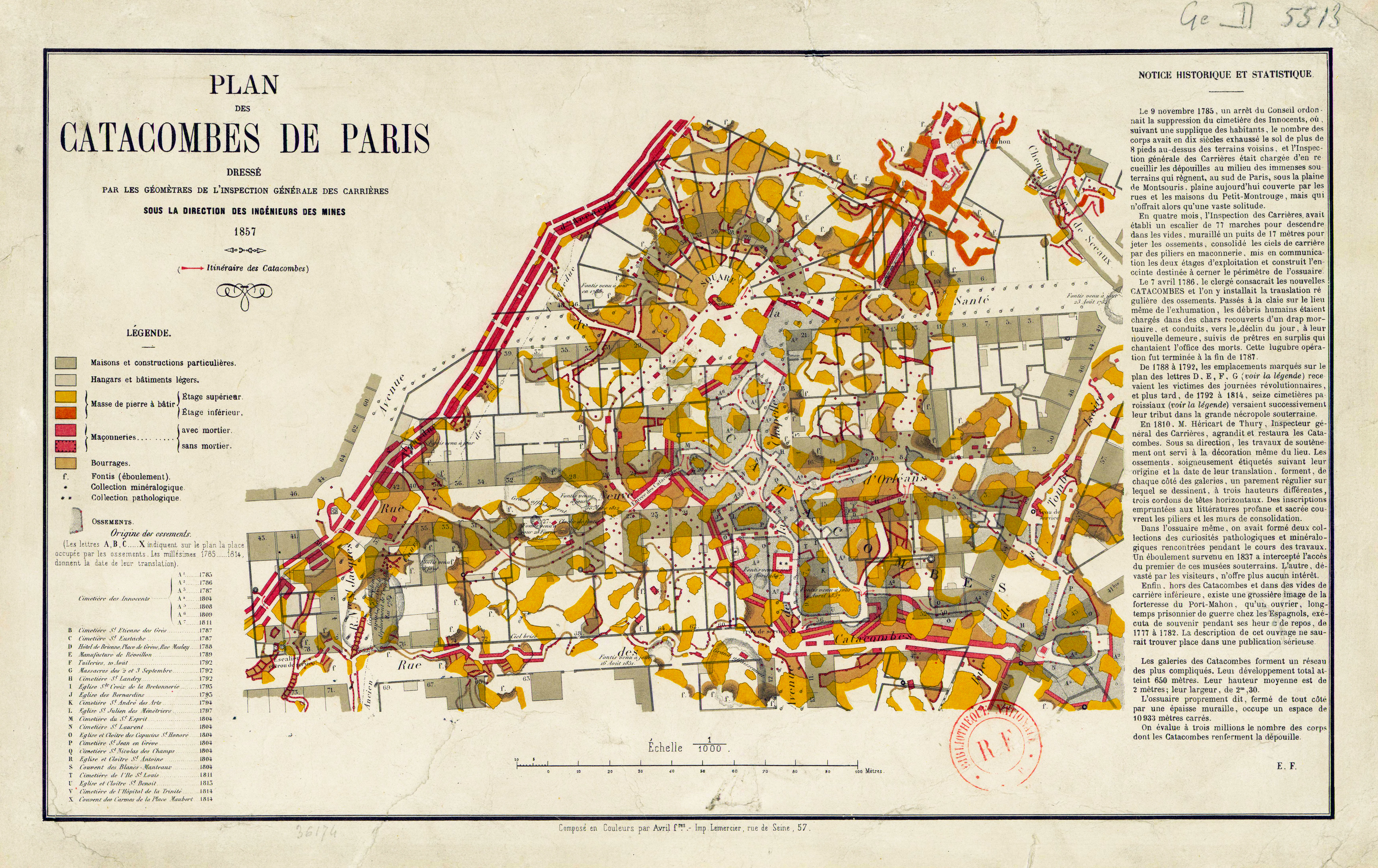
In this episode of 80 Days: An Exploration Podcast, we’ll be talking about Paris, or rather, what lies underneath it — The Paris Catacombs. What began as a network of mines beneath the city which spanned approximately 200 miles or 322 km soon morphed into something much more. A crisis in the 18th Century quite literally shook the foundations of the city, prompting the creation of an ossuary or network of catacombs beneath the city, which would go on to become home to generations of Parisien dead. Throughout the centuries, these catacombs have become a city beneath the city, and have been host to a number of wild and wonderful tales, including revolutions, occupations, secret cinemas and even heists. At this point, I’d normally tell you the population of the place we’re discussing, but we can only approximate for this one, and it’s possibly a record for this podcast — around six million, all of them (as far as we know) dead. 

Plan_cata_paris_1857_jms

Your hosts, as always, are Luke Kelly @thelukejkelly in Dublin, Ireland, Mark Boyle @markboyle86 in the UK, and Joe Byrne @anbeirneach in Galway, Ireland. Our theme music and other stings come from Thomas O’Boyle @thatthomasfella. We also feature music in this episode from friend of the show Will Woods. 

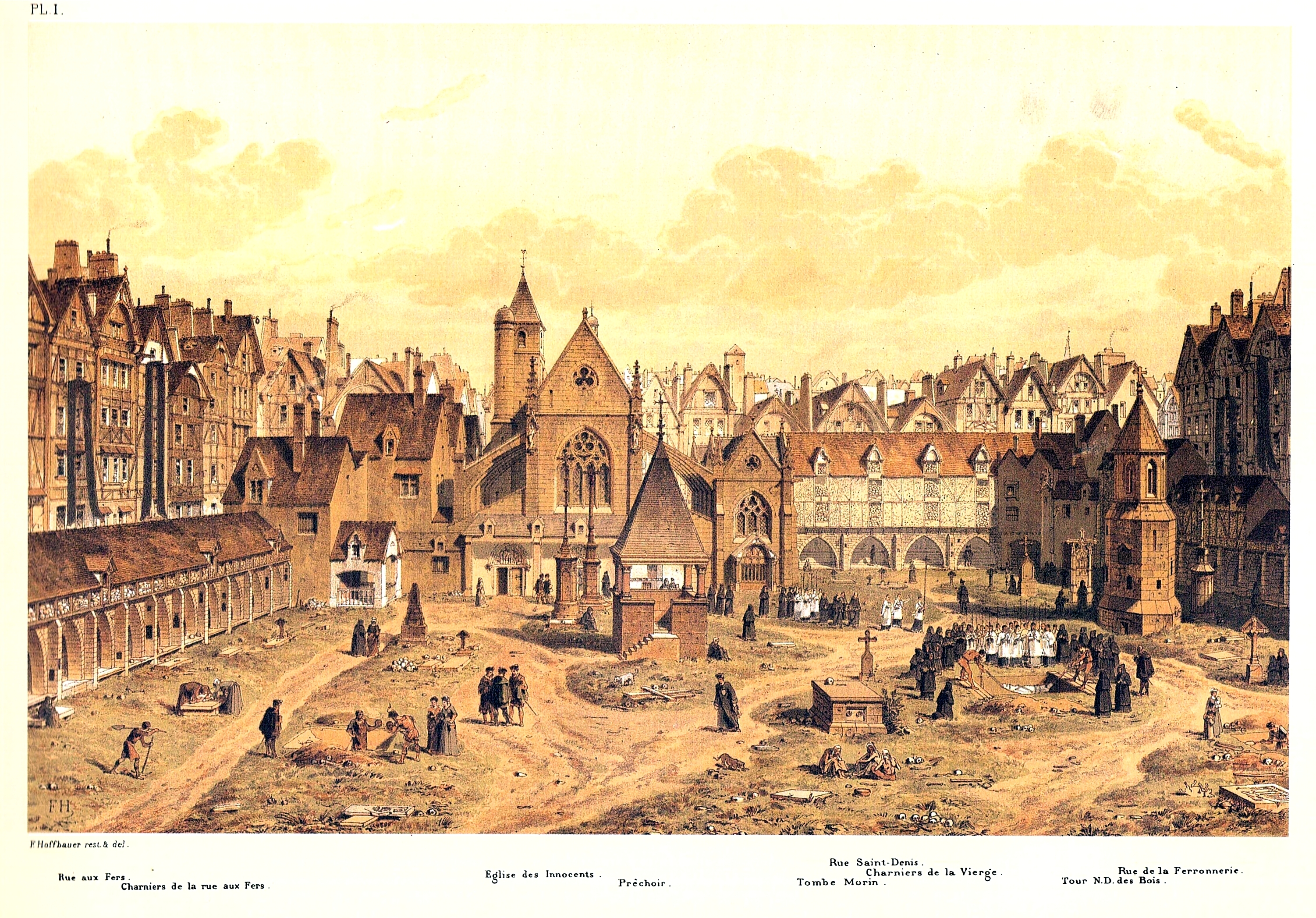
Saints_Innocents_1550_Hoffbauer

Cimetière des Saints-Innocents in around 1550 (via Wikipedia)

  • Plenty of additional media, articles and other info is available on the official website of the Catacombs.
  • Also check out Erin-Marie Legacey’s invaluable book ‘Making Space for the Dead’ here.
  • There’s plenty more that we didn’t discuss on the Cemetary of the Holy Innocents, which can be found here.
  • The Independent has an extensive piece on The Stones of Paris, aka Lutetian Limestone.
  • Wikipedia has an extensive article on the Danse Macabre, used and discussed in this episode.
  • More on Mushrooms? Gastro Obscura has you covered.
  • For more on the use of the Catacombs during the resistance, see Nigel Perrin’s full blog post here.
  • The Guardian has a full article on the 2017 wine theft we discussed.
  • This old tourist brochure from Archive.org has some really great photos and maps.
  • A brilliant article in The New Yorker entitled “The Invisible City Beneath Paris” is available here.
  • William Fetridge’s “The Rise and Fall of the Paris Commune”, quoted in this episode, can be found in full here.
  • The BBC also has a full podcast episode of their own dedicated to the Catacombs.

Thanks to all our patrons who support the show. We really appreciate your continued backing of us. If you want to join them, more information is available at www.patreon.com/80dayspodcast

New Caledonia (S3.05)

New Caledonia Audio

In this episode we’ll be talking about the New Caledonia, a French unique collectivity in the southwestern Pacific Ocean, about 900 miles (1,500 km) east of Australia. It includes the island of New Caledonia, where the capital, Nouméa, is located; the Loyalty Islands; the Bélep Islands; and the Isle of Pines as well as a number of far-flung uninhabited islets.

The main island is by far the largest and contains about nine-tenths of the population. It is surrounded by a coral reef, which encloses a large number of lagoons. These lagoons, with their diverse reefs and associated ecosystems, were designated a UNESCO World Heritage site in 2008. Sighted and named by Captain James Cook in 1774, it was later colonised by the French and turned into a penal colony.

New Caledonia has a land area of around 18,000 km2 (or 7,000 sq mi), making it just slightly smaller than Israel or the US state of New Jersey. Its population of around 270,000 consists mostly of a mix of Kanak people (the original inhabitants of New Caledonia), other Melanisians and people of European descent.

Your hosts are Luke Kelly in Hong Kong (@thelukejkelly), Joe Byrne in Bern, Switzerland (@anbeirneach), Mark Boyle in Surrey in the UK (@markboyle86) and our guest John Killeen (@johnkilleen90), who visited New Caledonia last year. Theme music by Thomas O’Boyle (@thatthomasfella)

Image result for new caledonia flag

Map of New Caledonia

Here are a few handy links for learning more about New Caledonia;

  • You can learn more about the New Caledonian upcoming independence referendum here on Wikipedia. The referendum is due to take place on November 4th, 2018, although according to a recent report by Radio New Zealand, support for independence is waning.
  • There’s a handy map of Captain Cook’s voyages around the world on Encyclopedia Britannica. He’s a man worth knowing about!
  • Here’s an image of the weird forked flagpole we described in this episode.
  • More info on the delicious-sounding New Caledonian dish Bougna can be found here.
  • The US government film used in this episode is entitled ‘Our Troops in New Caledonia’ and can be found on Archive.org
  • Find more on the ridiculously easy to hunt Kagu bird here.
  • You can view the photos that are described in this episode (courtesy of our friend John Killeen) below. None of John in the bath just yet, unfortunately.

This slideshow requires JavaScript.

The music you heard in this episode was from the following sources;

A massive thanks to all of our patrons on Patreon who are supporting season 3. If you’d like to join them and see what rewards are available for supporters, and get a peek behind the curtain check out www.patreon.com/80dayspodcast. We really appreciate every penny!

Liechtenstein (S2.09)

S02E09 Liechtenstein Audio

In this episode of 80 Days: an exploration podcast,  we’ll be talking about Liechtenstein,  a tiny European principality, sandwiched between Switzerland and Austria that is still ruled by the same family since the early 18th century. In a small valley towards the beginning of the mighty Rhine river, it was frequented by the Romans and incorporated into the empire before that all went sideways and the Vandals earned their name. After passing through the infuential spheres of central Europe through the centuries they were eventually taken over by the Liechtenstein family in a bid to get more favor with the Austro-Hungarian Empire (which worked a treat as it happened.) They side-stepped the devastation of World War 2 and spent the latter half of the 20th century becoming a financial services powerhouse, while also making a surprisingly successful go of manufacturing – dentures and drills in particular. Builders drills. Not dentists drills. Though there’s a business plan in there somewhere.

IMG_8521

Liechtenstein – strong contender for the nicest place we’ve profiled. Apologies to Liberia…

Your hosts are Luke Kelly @thelukejkelly in Hong Kong, Mark Boyle @markboyle86 in the UK, and Joe Byrne @anbeirneach in Switzerland/Liechtenstein. (Theme music by Thomas O’Boyle)

liliechtensteinrap

In a break from our normal desktop research, we sent the intrepid Joe Byrne into the field with the savage Liechtensteiners to risk his life in doing some field research. Turns out it’s super safe and lovely. Who knew? Well you did if you listened in, as well as the chilled out nature of the locals and how normal it is to just run into some royalty if you live there.

Proof of Joe’s expedition below-

IMG_8599

That’s Joe there, showcasing the Liechtenstein flag like a boss.

This slideshow requires JavaScript.

Above are a selection of photos from Liechtenstein, including the Roman ruins and the bronze Celtic figurines discussed in the episode. More photos can be seen here.

Here are some HOTLINKS (guitar solo here) to give you all the extra background you apparently weren’t sufficed with in our mega-bumper podcast, you info-hungry maniac:

Some music associated with Liechtenstein:

Thanks to Sarah O’Farrell and Niall O’Leary for your support on Kickstarter and Sinéad Dowling who helped our man on the ground Joe Byrne with his visit and research. Thanks too to Martin Meier for a useful conversation and Donat Büchel, curator of the Liechtensteinische Landesmuseum for some assistance. Special thanks to students Julia and Sebbi from the Liechtensteinische Gymnasium (High School) for a long and informative interview – they make videos that can be found on YouTube.

Thanks too to our sponsor Hairy Baby, who in addition to making the funniest Irish-themed t-shirts, have also produced the official 80 Days shirt for our supporters. Find it by clicking here. You can get 10% off anything on www.hairybaby.com by using our promo code “80DAYS”.