Kalmykia (S5.10)

Audio: Kalmykia

In this episode of 80 Days: An Exploration Podcast, thanks to our backers on Patreon, we’ll be talking about Kalmykia, a republic and country of Russia located directly north of the North Caucasus in Eastern Europe, between Ukraine and Kazakhstan, only around 200 miles or 350km north of Georgia. The Kalmyks, of Mongol origin, migrated to the Caspian region in the 17th century from Central Asia. They were mainly nomadic cattle breeders. Kalmykiya was established in 1920 as an autonomous oblast (region); in 1936 it became a republic, which was abolished in 1944 when the Kalmyks were exiled for alleged collaboration with the Germans during WW2. 

The territory of Kalmykia is unique in that it has been the home in successive periods to many major world religions and ideologies. Prehistoric paganism and shamanism gave way to Judaism amongst some of the Khazars (who included Muslims and Christians in equal or greater numbers as well). This was succeeded by Islam with the Alans while the Mongol hordes brought Tengriism, and the later Nogais were Muslims, before their replacement by the present-day Buddhist Oirats/Kalmyks. It now stands as the only Buddhist region in Europe. 

The republic covers an area of around 76,000 square kilometres (or almost 30,000 square miles), making it a similar size to Panama, Czechia or the US state of South Carolina. With a population of about 275,000 residents Kalmykia ranks among the smallest of Russia’s federal districts in terms of population. 

The Kalmyks benefit from their relatively high levels of education and strong international connections. Overseas communities are found today in many parts of Europe and in the United States. The head of the religious establishment in Kalmykia itself was born in Philadelphia before being recognized by the Dalai Lama as a reincarnation of a Buddhist saint. 

The capital and largest city of the republic is Elista, which has gained a reputation for, of all things, international chess. And for you Star Wars fans, the Ewok language was based on Kalmyk, because George Lucas thought it sounded so odd.  

_45840472_kalmykia226 (1)
Screenshot 2022-08-10 at 21.38.02
Your hosts, as always, are Luke Kelly @thelukejkelly in Dublin, Ireland, Mark Boyle @markboyle86 in the UK, and Joe Byrne @anbeirneach in Galway, Ireland. Our theme music and other stings come from Thomas O’Boyle @thatthomasfella. 

As we mention in the episode, this finale to season 5 was voted on by our Patreon backers, and thanks as always to all of them for their support. You can sign up to Patreon to get a say in the episodes we cover in the seasons to come.

Some further reading for this episode:

An excellent documentary from DW on Kalmykia

Music used in this episode:

Thanks to all our patrons who support the show. We really appreciate your continued backing of us. If you want to join them, more information is available at www.patreon.com/80dayspodcast

See you in Season 6!

Jersey (S5.08)

Audio: Jersey

In this episode of 80 Days: An Exploration Podcast, we’ll be talking about the Bailiwick of Jersey, the largest of the Channel Islands lying just off the coast of Northern France. Jersey is a Crown Dependency so is not actually a part of the UK, just like the Isle of Man, which we covered in Season 1.  Today, Jersey has a population of just under 100,000, and a total land area of around 120 km2 or 45 sq mi, making it a similar size to the US island of Nantucket, or slightly smaller than our old friend Liechtenstein

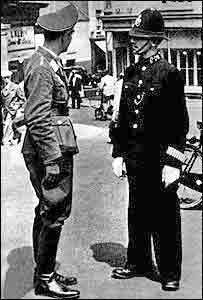
While most residents speak English and identify as British, the proximity of Jersey and the other Channel islands to France has heavily influenced their culture and their history, and French is an official second language. Jersey also has its own local language, based on French, called Jèrriais.  The island was documented by the Romans, known to them as Caesarea, and was part of the Duchy of Normany until the early 13th Century, when it was reorganized and became a territory in its own right. By the end of the 15th century, Jersey was granted its own governor. An individual, now called the Lieutenant Governor, is today the personal representative of the Queen on the island. Jersey was the only part of the British Isles to be occupied by the Nazis during WW2, and was one of the last places in Europe to be liberated. 

Jersey has one of the highest numbers of cars per person in the world, and because of the historical popularity of Jersey wool, knitted sweaters came to be called jerseys, after the island, with the term first recorded in 1837. And yes, this island is the namesake of the US state of New Jersey. It’s been calculated that Jersey would fit 189 times into New Jersey – 95 times if the tide is out.

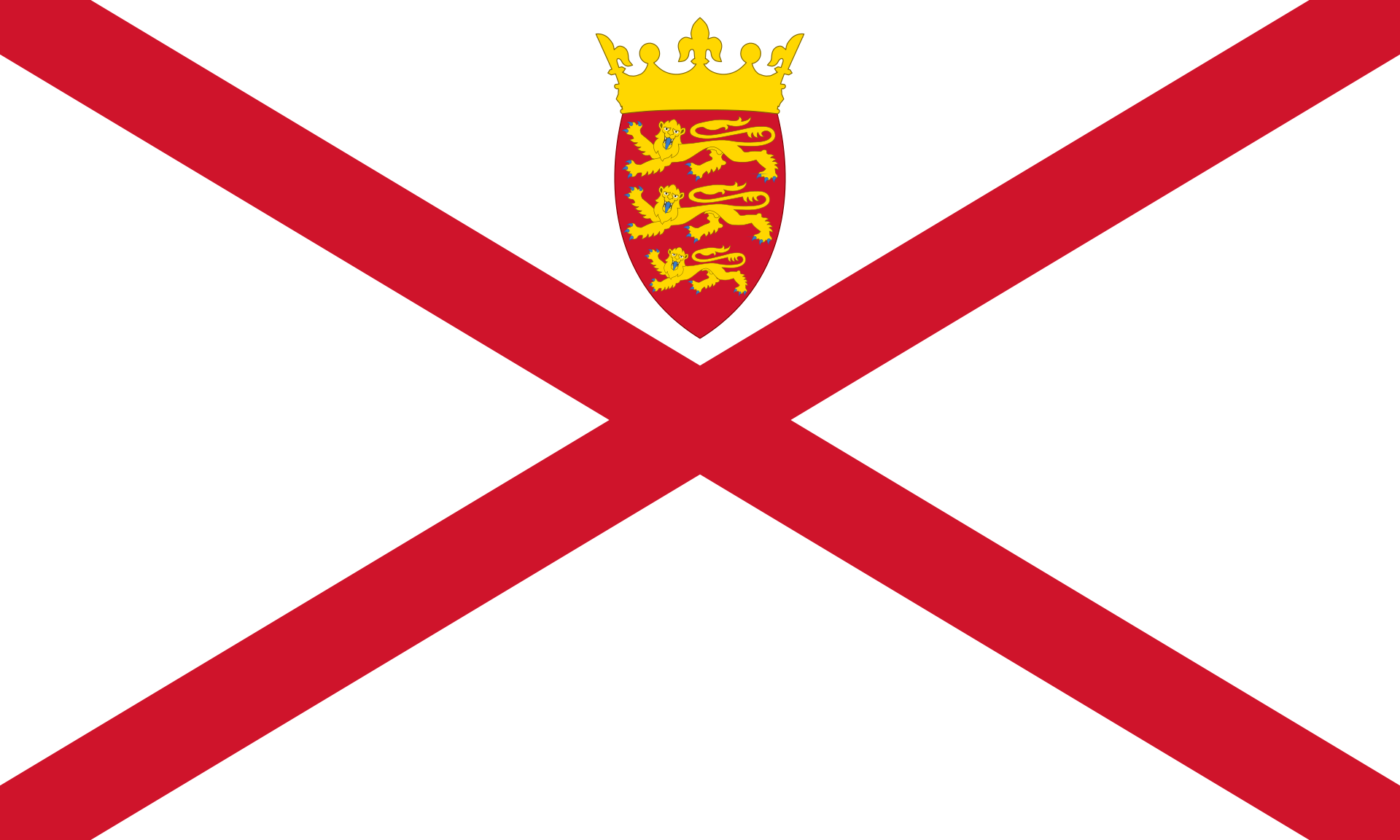
Location of Jersey (green) in Europe (dark grey)Flag of Bailiwick of Jersey

Your hosts, as always, are Luke Kelly @thelukejkelly in Dublin, Ireland, Mark Boyle @markboyle86 in the UK, and Joe Byrne @anbeirneach in Galway, Ireland. Our theme music and other stings come from Thomas O’Boyle @thatthomasfella. Thanks to Luke Davis, a member of the Société Jersiaise, for speaking to us for this episode – you will hear clips from his interview throughout.

Some further reading material is provided below:

The Death of Major Pierson, by John Singleton Copley (Battle of Jersey)
The photo from the German occupation, which Luke Davis mentioned. [source]

Thanks to all our patrons who support the show. We really appreciate your continued backing of us. If you want to join them, more information is available at www.patreon.com/80dayspodcast

Kaliningrad-Koenigsberg (S5.01)


Audio: Kaliningrad / Koenigsberg

We’re (finally) kicking off season five! In this episode of 80 Days: An Exploration Podcast, we’ll be talking about Kaliningrad, formerly Koenigsberg, a city on the Pregolya River, at the head of the Vistula Lagoon on the Baltic Sea. This city has a storied history, having been originally established as a Sambian or Old Prussian settlement, before being administered by the State of the Teutonic Order, the Duchy of Prussia, the Kingdom of Prussia, the German Empire, the Weimar Republic, and Nazi Germany. Shortly after the second world war, Königsberg and the lands surrounding it were incorporated into the USSR, being renamed Kaliningrad.

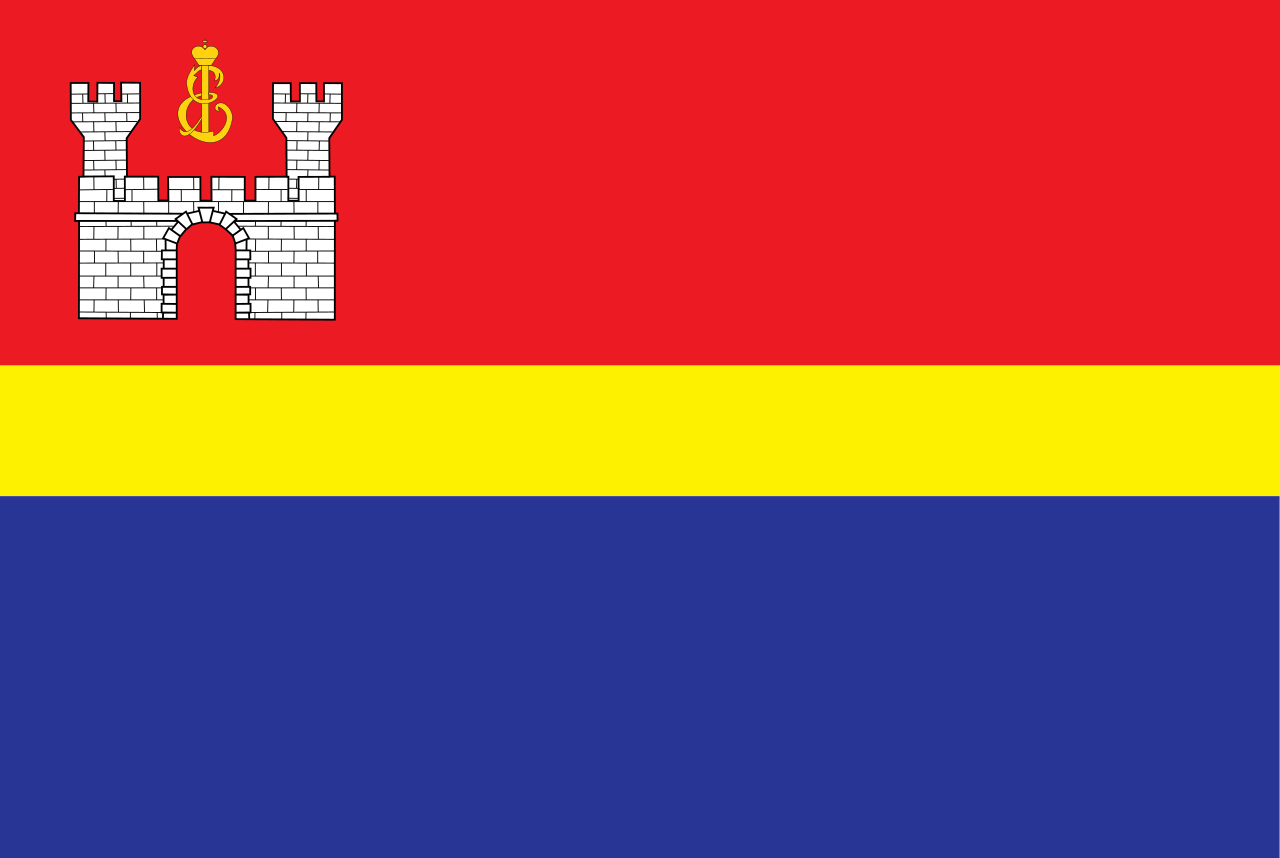
City Flag of Kaliningrad

City Flag of Kaliningrad

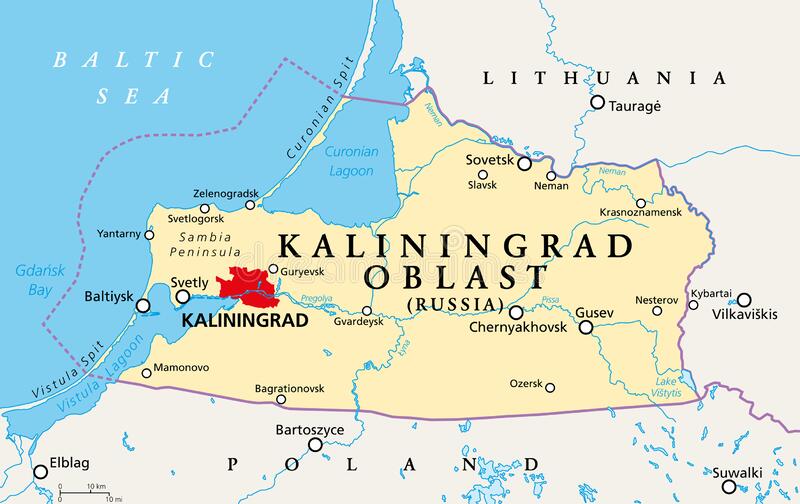
kaliningrad-oblast-federal-subject-russia-political-map-kaliningrad-oblast-political-map-kaliningrad-region-federal-subject-215675465

As a major transport hub, the city is home to the headquarters of the Baltic Fleet of the Russian Navy, and is one of the largest industrial centres in Russia. It is situated within the Kaliningrad Oblast, which is separated by around 400km from the next nearest Russian Oblast, bordered by Poland to the south, Lithuania to the north and east, and the Baltic Sea to the west. It is therefore impossible to travel overland between the Oblast and the rest of Russia without passing through at least two other countries. As of 2010, only a small number of ethnic Germans remain in the city, with most of residents being recent immigrants from other parts of the former Soviet Union. With a population of around 450,000, the city is similar in size to Miami, Florida, or Tallinn, Estonia, and is the 40th largest city in Russia. Kaliningrad and the lands surrounding are home to the world’s largest deposits of amber, with over 90% of the world’s supply.

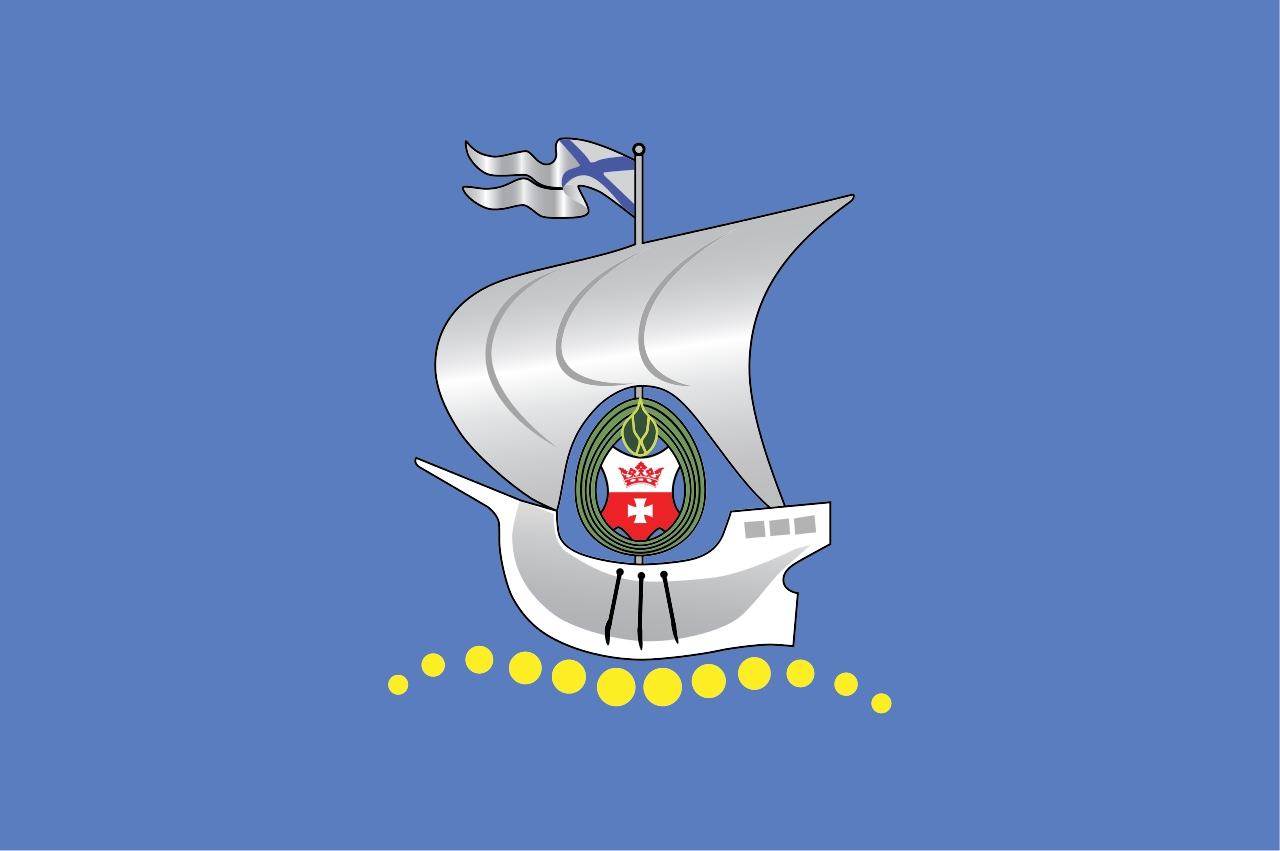
Flag of Kaliningrad Oblast

Flag of Kaliningrad Oblast

Your hosts, as always, are Luke Kelly @thelukejkelly in Dublin, Ireland, Mark Boyle @markboyle86 in the UK, and Joe Byrne @anbeirneach in Galway, Ireland. Our theme music and other stings come from Thomas O’Boyle @thatthomasfella. We also have to give huge thanks to Professor Nicole Eaton of Boston College for her help with this episode, and for giving us a sneak preview of her upcoming book (German Blood, Slavic Soil: How Nazi Germany Became Soviet Kaliningrad (Cornell UP, Fall 2022)). 

Some further reading:

  • One of the few remaining remnants of Old Prussian culture are the so-called “babas” (or “Old Hags”) which are stone figures up to 2m tall of warriors and priests scattered around Poland. Read more about them on Atlas Obscura.
  • Read more on the Sambians and their burial traditions here.
  • The 1963 book Balts by Gimbutas, Marija is available on Archive.org
  • PrussianHistory.org also contains a Short History of Koenigsberg.
  • For more on the Order of the Teutonic Knights, see imperialteutonicorder.com.
  • The architectural history and significance of Koenigsberg Cathedral, as well as some excellent archival photographs see here.
  • For more of the Battle of Grunwald, which Mark mentions in his section, see here.
  • Brandenburg-Prussia, in all it’s glory, can be seen in the map below:
Brandenburg-Prussia within and outside of the Holy Roman Empire (1618)

Some music by composers from in and around this city include: