Kalmykia (S5.10)

Audio: Kalmykia

In this episode of 80 Days: An Exploration Podcast, thanks to our backers on Patreon, we’ll be talking about Kalmykia, a republic and country of Russia located directly north of the North Caucasus in Eastern Europe, between Ukraine and Kazakhstan, only around 200 miles or 350km north of Georgia. The Kalmyks, of Mongol origin, migrated to the Caspian region in the 17th century from Central Asia. They were mainly nomadic cattle breeders. Kalmykiya was established in 1920 as an autonomous oblast (region); in 1936 it became a republic, which was abolished in 1944 when the Kalmyks were exiled for alleged collaboration with the Germans during WW2. 

The territory of Kalmykia is unique in that it has been the home in successive periods to many major world religions and ideologies. Prehistoric paganism and shamanism gave way to Judaism amongst some of the Khazars (who included Muslims and Christians in equal or greater numbers as well). This was succeeded by Islam with the Alans while the Mongol hordes brought Tengriism, and the later Nogais were Muslims, before their replacement by the present-day Buddhist Oirats/Kalmyks. It now stands as the only Buddhist region in Europe. 

The republic covers an area of around 76,000 square kilometres (or almost 30,000 square miles), making it a similar size to Panama, Czechia or the US state of South Carolina. With a population of about 275,000 residents Kalmykia ranks among the smallest of Russia’s federal districts in terms of population. 

The Kalmyks benefit from their relatively high levels of education and strong international connections. Overseas communities are found today in many parts of Europe and in the United States. The head of the religious establishment in Kalmykia itself was born in Philadelphia before being recognized by the Dalai Lama as a reincarnation of a Buddhist saint. 

The capital and largest city of the republic is Elista, which has gained a reputation for, of all things, international chess. And for you Star Wars fans, the Ewok language was based on Kalmyk, because George Lucas thought it sounded so odd.  

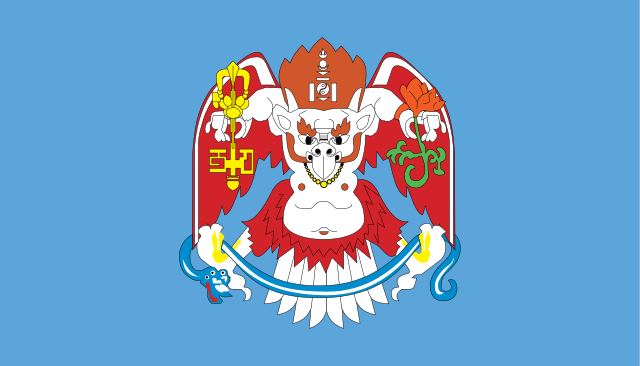
_45840472_kalmykia226 (1)
Screenshot 2022-08-10 at 21.38.02
Your hosts, as always, are Luke Kelly @thelukejkelly in Dublin, Ireland, Mark Boyle @markboyle86 in the UK, and Joe Byrne @anbeirneach in Galway, Ireland. Our theme music and other stings come from Thomas O’Boyle @thatthomasfella. 

As we mention in the episode, this finale to season 5 was voted on by our Patreon backers, and thanks as always to all of them for their support. You can sign up to Patreon to get a say in the episodes we cover in the seasons to come.

Some further reading for this episode:

An excellent documentary from DW on Kalmykia

Music used in this episode:

Thanks to all our patrons who support the show. We really appreciate your continued backing of us. If you want to join them, more information is available at www.patreon.com/80dayspodcast

See you in Season 6!
Ulaanbataar (S5.05)

Audio: Ulaanbataar

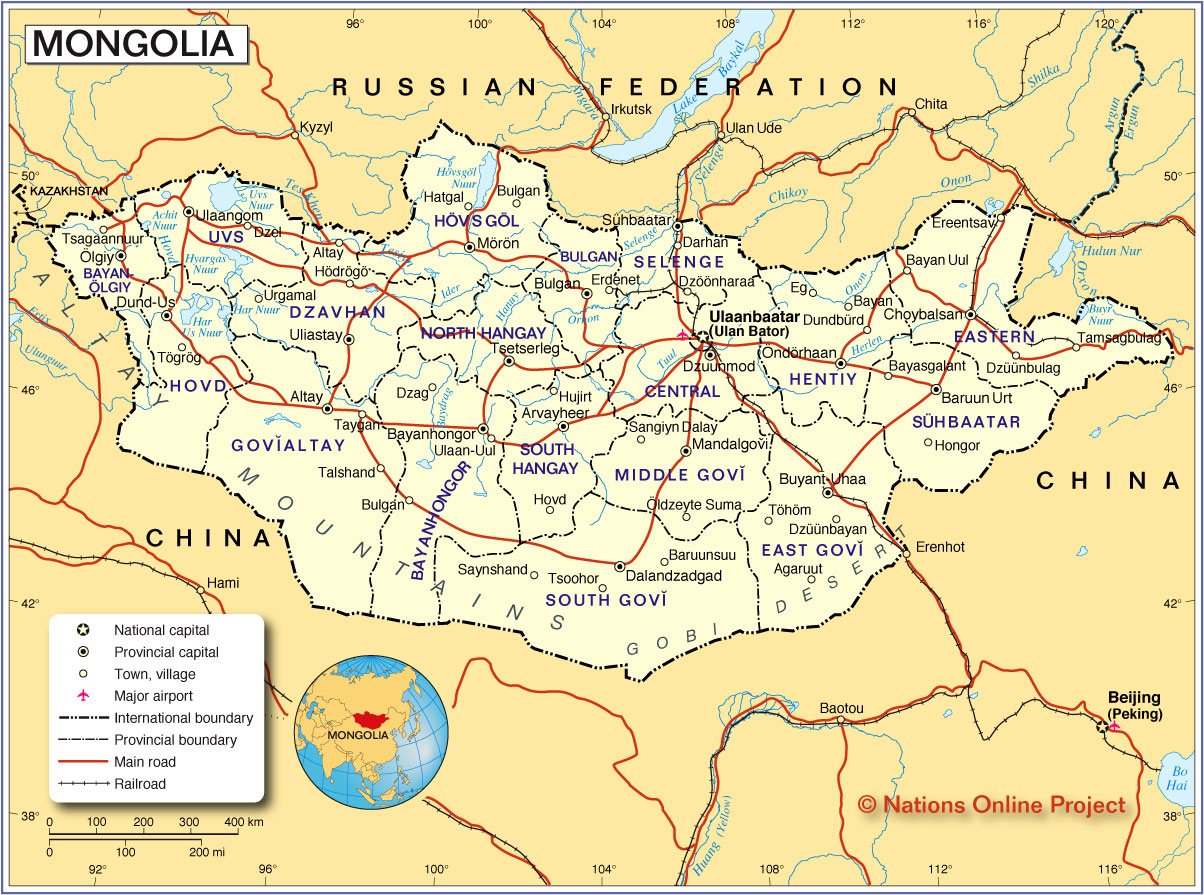
In this episode of 80 Days: An Exploration Podcast, we’ll be talking about Ulaanbaatar, the capital city of Mongolia.  Its modern name means ‘Red Hero’ and it is a city that has had many names including Urga, Örgöö, and Ikh Khuree. Ulaanbaatar was originally founded in 1639 as a nomadic Bhuddist monastery, essentially a moveable city,  and was not permanently settled at its current location in 1778, where it became a crucial trading hub between Russia and China. The city is located in present-day north central Mongolia, around 1000km or 700 miles northwest of Beijing and about 500km or 300 miles south of Irkutsk, Russia. Its current population is around 1.5 million, meaning it contains around 50% of Mongolia’s residents, and is comparable in population to San Diego or Munich. 

At the end of the 17th century, present-day Mongolia became part of the area ruled by the Manchu-led Qing dynasty. During the 20th century, Mongolia struggled against strong influences from the Soviet Union and China, until the Mongolian Revolution of 1990 led to the establishment of a multi-party democratic system. In terms of climate, it can be extremely chilly here. The city experiences an annual average temperature of −1.3°C (around −30 Fahrenheit) and temperatures in January are as low as −36 to −40 °C, making it the world’s coldest capital city.

UBMap

Your hosts, as always, are Luke Kelly @thelukejkelly in Dublin, Ireland, Mark Boyle @markboyle86 in the UK, and Joe Byrne @anbeirneach in Galway, Ireland. Our theme music and other stings come from Thomas O’Boyle @thatthomasfella. 

We’ve also just launched a merch store in associated with TeePublic. You can find our store by clicking here, with exclusive discounts at the time of publishing. 


Some useful resources for further reading include:

  • Wikipedia has a whole article on the beautiful Mongolian script we discussed
  • If you couldn’t quite catch the name of the significant religious leader of the Mongols, more information on his various names on Wikipedia: Jebtsundamba Khutuktu
  • The New Books Network podcast had a very interesting interview with Uranchimeg Tsultemin the author of “A Monastery on the Move”, which talks about Zanabazaar and his artistic legacy
  • Another key source for Mark’s second section was The Bloody White Baron by James Parker.
  • Travels Through Mongolia to China (Vol. 1) by Egor Fedorovich Timkowski is on archive.org (1827)
  • Also on archive.org is Mongolia, the Tangut country, and the solitudes of northern Tibet, being a narrative of three years’ travel in eastern high Asia by Nikolai Mikhailovich Przhevalskii (1876)
  • More on brick tea in The Russian Road to China by Lindon Wallace Bates, on archive.org here. (1910)
  • InfoMongolia.com
  • For a more modern perspective, we referenced The Changing World Of Mongolia’s Nomads by Melvyn C. Goldstein
  • More on the assassination of Mr Sanjaasuregiin Zorig, which Joe discussed, can be found here.
  • The Guardian also has a great piece on “Mongolia’s New Wealth.”
  • See here for a news article about the 9th Bogd Khan receiving Mongolian citizenship
  • Check out the Bogd Khan’s Winter Palace, and the Gandan Monastery
  • More about the Nadaam festival, and local cuisine
  • Music from this episode can be found on YouTube, with traditional Mongolian music, as well as some amazing Mongolian throat singing towards the end.

Thanks to all our patrons who support the show. We really appreciate your continued backing of us. If you want to join them, more information is available at www.patreon.com/80dayspodcast

Kaliningrad-Koenigsberg (S5.01)


Audio: Kaliningrad / Koenigsberg

We’re (finally) kicking off season five! In this episode of 80 Days: An Exploration Podcast, we’ll be talking about Kaliningrad, formerly Koenigsberg, a city on the Pregolya River, at the head of the Vistula Lagoon on the Baltic Sea. This city has a storied history, having been originally established as a Sambian or Old Prussian settlement, before being administered by the State of the Teutonic Order, the Duchy of Prussia, the Kingdom of Prussia, the German Empire, the Weimar Republic, and Nazi Germany. Shortly after the second world war, Königsberg and the lands surrounding it were incorporated into the USSR, being renamed Kaliningrad.

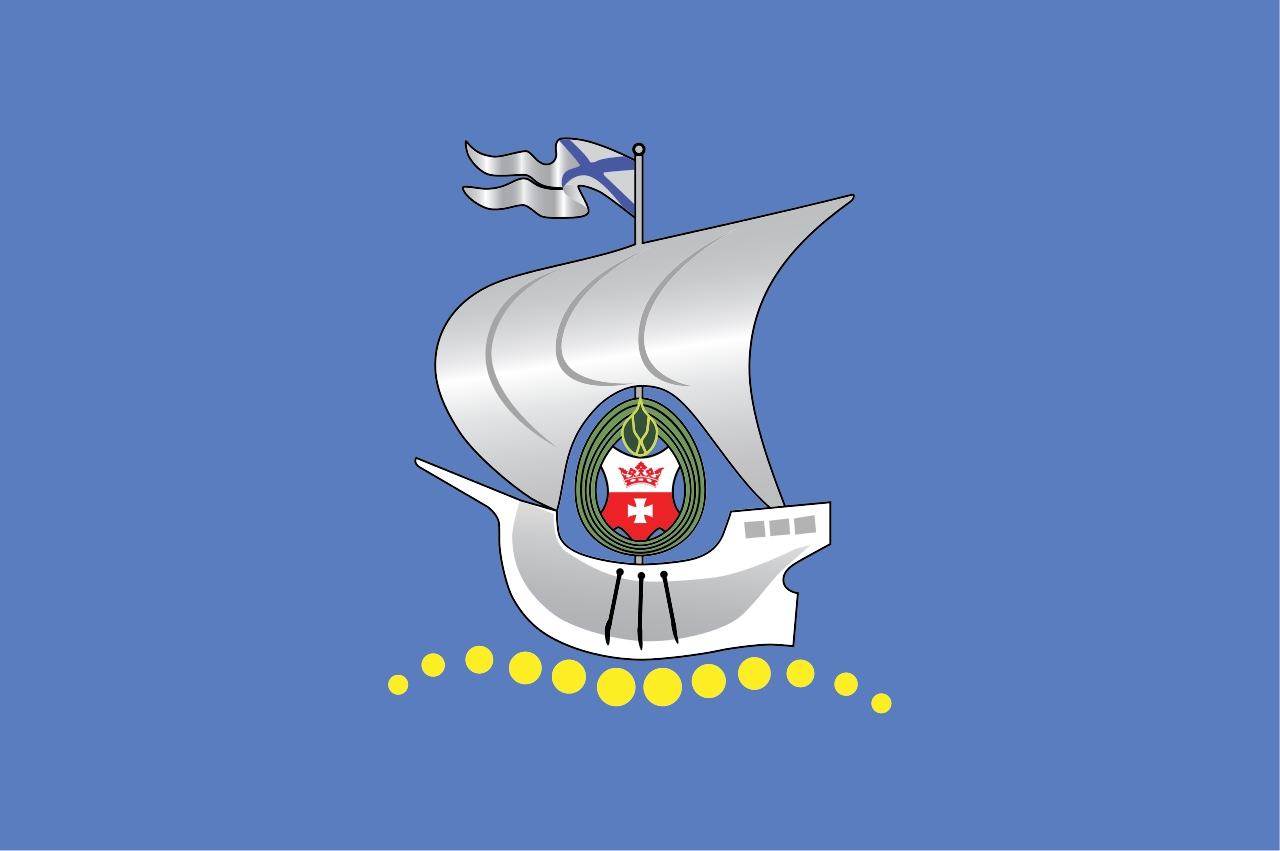
City Flag of Kaliningrad

City Flag of Kaliningrad

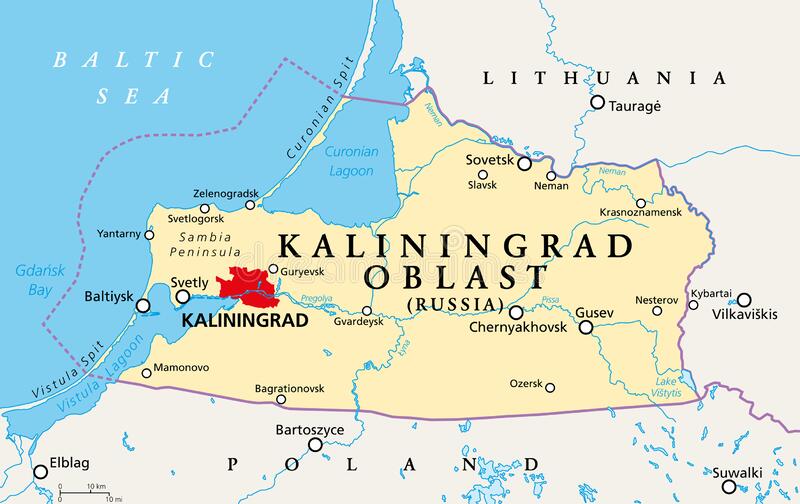
kaliningrad-oblast-federal-subject-russia-political-map-kaliningrad-oblast-political-map-kaliningrad-region-federal-subject-215675465

As a major transport hub, the city is home to the headquarters of the Baltic Fleet of the Russian Navy, and is one of the largest industrial centres in Russia. It is situated within the Kaliningrad Oblast, which is separated by around 400km from the next nearest Russian Oblast, bordered by Poland to the south, Lithuania to the north and east, and the Baltic Sea to the west. It is therefore impossible to travel overland between the Oblast and the rest of Russia without passing through at least two other countries. As of 2010, only a small number of ethnic Germans remain in the city, with most of residents being recent immigrants from other parts of the former Soviet Union. With a population of around 450,000, the city is similar in size to Miami, Florida, or Tallinn, Estonia, and is the 40th largest city in Russia. Kaliningrad and the lands surrounding are home to the world’s largest deposits of amber, with over 90% of the world’s supply.

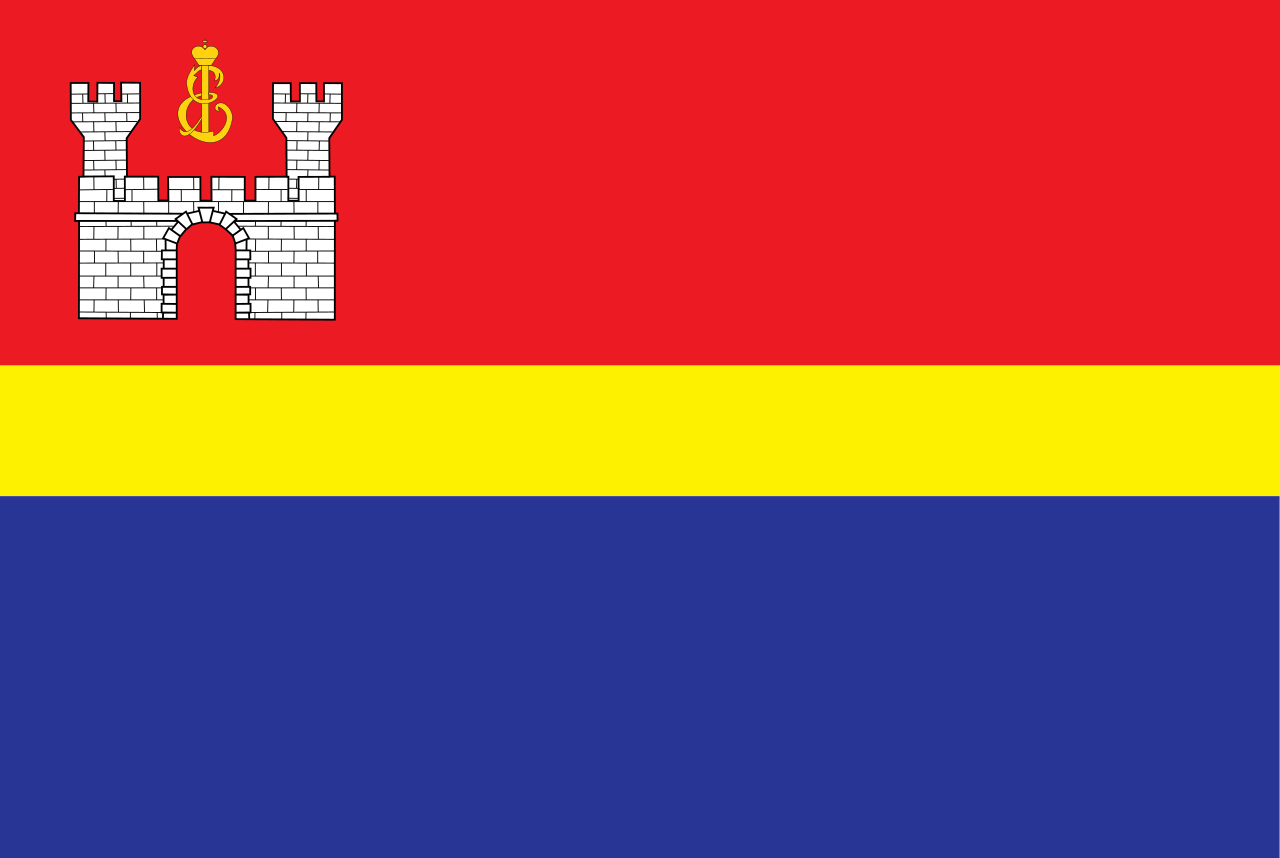
Flag of Kaliningrad Oblast

Flag of Kaliningrad Oblast

Your hosts, as always, are Luke Kelly @thelukejkelly in Dublin, Ireland, Mark Boyle @markboyle86 in the UK, and Joe Byrne @anbeirneach in Galway, Ireland. Our theme music and other stings come from Thomas O’Boyle @thatthomasfella. We also have to give huge thanks to Professor Nicole Eaton of Boston College for her help with this episode, and for giving us a sneak preview of her upcoming book (German Blood, Slavic Soil: How Nazi Germany Became Soviet Kaliningrad (Cornell UP, Fall 2022)). 

Some further reading:

  • One of the few remaining remnants of Old Prussian culture are the so-called “babas” (or “Old Hags”) which are stone figures up to 2m tall of warriors and priests scattered around Poland. Read more about them on Atlas Obscura.
  • Read more on the Sambians and their burial traditions here.
  • The 1963 book Balts by Gimbutas, Marija is available on Archive.org
  • PrussianHistory.org also contains a Short History of Koenigsberg.
  • For more on the Order of the Teutonic Knights, see imperialteutonicorder.com.
  • The architectural history and significance of Koenigsberg Cathedral, as well as some excellent archival photographs see here.
  • For more of the Battle of Grunwald, which Mark mentions in his section, see here.
  • Brandenburg-Prussia, in all it’s glory, can be seen in the map below:
Brandenburg-Prussia within and outside of the Holy Roman Empire (1618)

Some music by composers from in and around this city include:

Houston, 1968 – Apollo 8

In this minisode, Mark takes us further than we’ve ever been before, in a story that’s out of this world! From Houston, Texas, in 1968, we tell the story of the USA’s space programme and how Christmas came to be the backdrop to the first voyage by humans around the moon. Often overshadowed by Apollo 11’s Moon Landing a few months later, Apollo 8 laid vital foundations, and took place during the festive season, watched by millions of families around the world.

The most significant source for Mark’s (@markboyle86) script was Jeffrey Kluger’s book “Apollo 8: the Thrilling Story of the First Mission to the Moon“. You will hear the voices of Joe (@anbeirneach), and Luke (@thelukejkelly) as well.

In addition to our theme music by the talented Thomas O’Boyle, this episode featured a lot of music and sound effects, graciously made available for free by contributors at FreeSound.org, and Free Music Archive for use under a Creative Commons license, by attribution.

The pieces of music you heard under the text were “Swiftwind” and “Expectations” by Lee Rosevere, Kai Engel‘s “Interception“, “Holiday Gift” and “Brand New World” (the latter two from his Christmas album Sustains), and “The Healing” by Sergey Cheremisinov, all available under Creative Commons: By Attribution 4.0 Licence. Tristan Longherin’s ambient sound “Spaceship Atmosphere 01” and hello_flowers’ “Hypnotic Heartbeat Atmosphere” were also used in this piece under Creative Commons Licenses. Thanks to those artists who make their work available for podcasters like us. The version of “O Come O Come Emmanuel” that is heard in the minisode was uploaded by Mystery Mammal and is in the public domain.

If you want to hear more archive audio from the mission, highlights have been made available on the Internet Archive here.

Earthrise

The famous photo “Earthrise” taken by Anders duirng Apollo 8

Georgia or “Sakartvelo” (S2.07)

S02E07 Georgia Audio

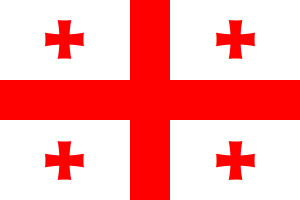
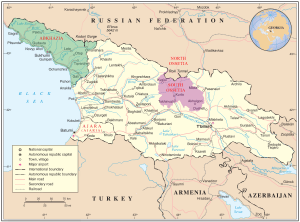
In this episode of 80 Days: an exploration podcast we’ll be talking about Georgia. Not the US state, but the country in the south caucasus, known to its inhabitants as “Sakartvelo”. This former Soviet Republic is nestled between the Black Sea and the Caspian Sea, and is home to around 3.7 Million people with a history dating back thousands of years. Throughout its history, Georgia has been subject to numerous larger powers, including the Mongols, the Ottoman Empire, and dynasties of Persia (Iran) and the Soviet Union. As the Iron Curtain fell, Georgia declared its independence and has operated as a modern Republic ever since. It’s neighbour to the North, Russia, however, has ensured that Georgia’s hold over independence has never been as secure as most Georgians would like. Ethnic conflicts and economic turmoil beset the country throughout the 1990s, culminating in the brief Russo-Georgian war of 2008, from which tensions still remain to this day.  

Your hosts are Luke Kelly @thelukejkelly in Hong Kong, Mark Boyle @markboyle86 in the UK, and Joe Byrne @anbeirneach in Switzerland . (Theme music by Thomas O’Boyle)

Map of Georgia, indicating disputed areas

Here are a few things you may want to read/watch more about:

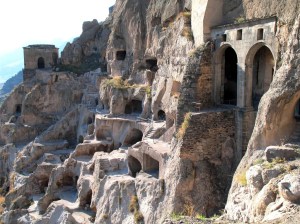
The stunning mountain fortress of Vardzia today (Wikimedia Commons)

Most of the music in this episode were examples of Georgian polyphonic singing, a very important style of music, being the oldest polyphonic music in the world (singled out by UNESCO as a vital aspect of cultural heritage).Some examples are:

  • “Chakrulo”, which was one of 27 musical compositions included on the Voyager Golden Records that were sent into space on Voyager 2 on 20 August 1977.
  • Here’s another example in the “Georgia and the Great Caucasus” documentary

Georgian folk dancing is also a wonderful tradition, here are a few videos of that:

Finally, we promised to include the video of the insane baptism rituals available in the Georgian Orthodox Church, so from EuroNews, here it is:

A massive thanks to the inimitable Gary O’Daly and Jeffrey Dokar, two of the backers of our recent Kickstarter Campaign – thank you for making Season 2 possible. Big thanks also to Mariam Kalandarshvili for talking to us and helping us understand (and pronounce) some elements of Georgian history; we now know that the capital is T’bee-lee-see! Thanks too to our sponsor Hairy Baby, who in addition to making the funniest Irish-themed t-shirts, have also produced the official 80 Days shirt for our supporters. Find it by clicking here. You can get 10% off anything on www.hairybaby.com by using our promo code “80DAYS”.