Kalmykia (S5.10)

Audio: Kalmykia

In this episode of 80 Days: An Exploration Podcast, thanks to our backers on Patreon, we’ll be talking about Kalmykia, a republic and country of Russia located directly north of the North Caucasus in Eastern Europe, between Ukraine and Kazakhstan, only around 200 miles or 350km north of Georgia. The Kalmyks, of Mongol origin, migrated to the Caspian region in the 17th century from Central Asia. They were mainly nomadic cattle breeders. Kalmykiya was established in 1920 as an autonomous oblast (region); in 1936 it became a republic, which was abolished in 1944 when the Kalmyks were exiled for alleged collaboration with the Germans during WW2. 

The territory of Kalmykia is unique in that it has been the home in successive periods to many major world religions and ideologies. Prehistoric paganism and shamanism gave way to Judaism amongst some of the Khazars (who included Muslims and Christians in equal or greater numbers as well). This was succeeded by Islam with the Alans while the Mongol hordes brought Tengriism, and the later Nogais were Muslims, before their replacement by the present-day Buddhist Oirats/Kalmyks. It now stands as the only Buddhist region in Europe. 

The republic covers an area of around 76,000 square kilometres (or almost 30,000 square miles), making it a similar size to Panama, Czechia or the US state of South Carolina. With a population of about 275,000 residents Kalmykia ranks among the smallest of Russia’s federal districts in terms of population. 

The Kalmyks benefit from their relatively high levels of education and strong international connections. Overseas communities are found today in many parts of Europe and in the United States. The head of the religious establishment in Kalmykia itself was born in Philadelphia before being recognized by the Dalai Lama as a reincarnation of a Buddhist saint. 

The capital and largest city of the republic is Elista, which has gained a reputation for, of all things, international chess. And for you Star Wars fans, the Ewok language was based on Kalmyk, because George Lucas thought it sounded so odd.  

_45840472_kalmykia226 (1)
Screenshot 2022-08-10 at 21.38.02
Your hosts, as always, are Luke Kelly @thelukejkelly in Dublin, Ireland, Mark Boyle @markboyle86 in the UK, and Joe Byrne @anbeirneach in Galway, Ireland. Our theme music and other stings come from Thomas O’Boyle @thatthomasfella. 

As we mention in the episode, this finale to season 5 was voted on by our Patreon backers, and thanks as always to all of them for their support. You can sign up to Patreon to get a say in the episodes we cover in the seasons to come.

Some further reading for this episode:

An excellent documentary from DW on Kalmykia

Music used in this episode:

Thanks to all our patrons who support the show. We really appreciate your continued backing of us. If you want to join them, more information is available at www.patreon.com/80dayspodcast

See you in Season 6!
Ulaanbataar (S5.05)

Audio: Ulaanbataar

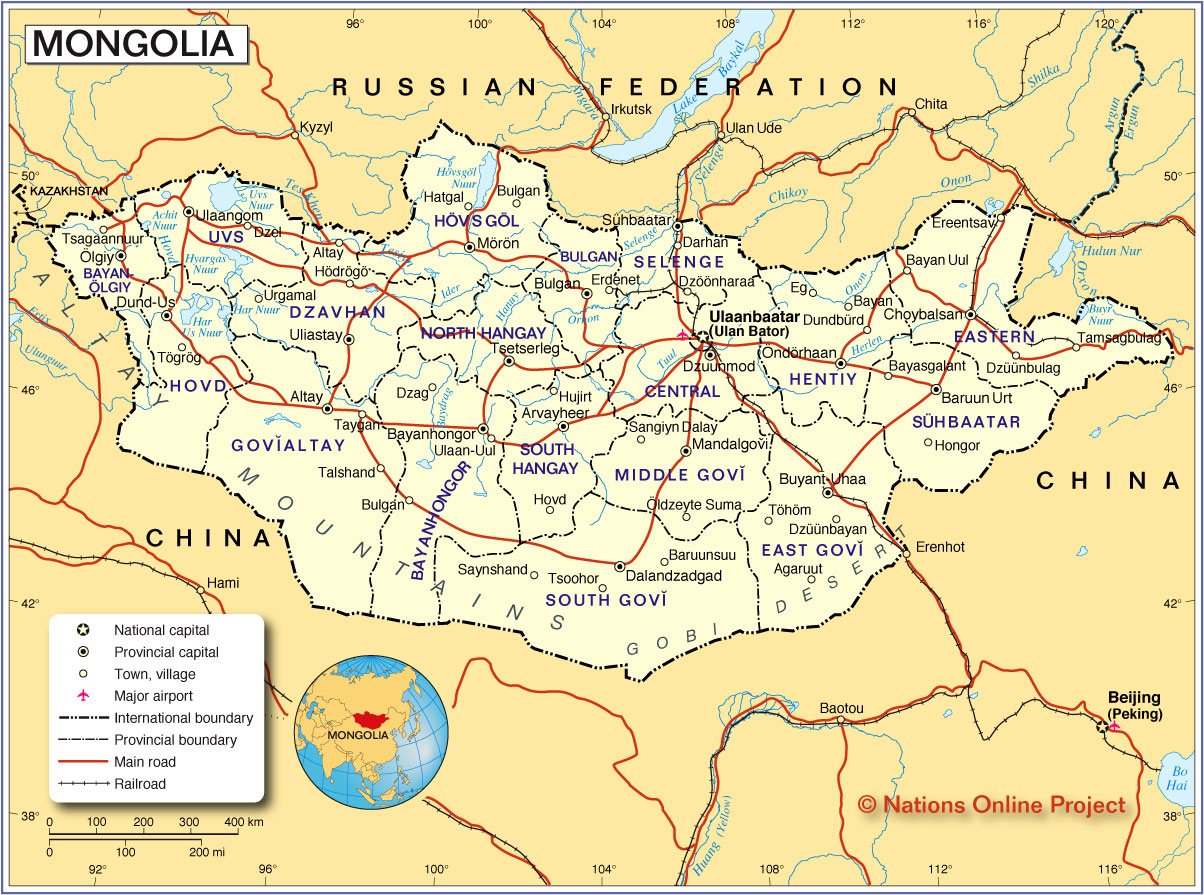
In this episode of 80 Days: An Exploration Podcast, we’ll be talking about Ulaanbaatar, the capital city of Mongolia.  Its modern name means ‘Red Hero’ and it is a city that has had many names including Urga, Örgöö, and Ikh Khuree. Ulaanbaatar was originally founded in 1639 as a nomadic Bhuddist monastery, essentially a moveable city,  and was not permanently settled at its current location in 1778, where it became a crucial trading hub between Russia and China. The city is located in present-day north central Mongolia, around 1000km or 700 miles northwest of Beijing and about 500km or 300 miles south of Irkutsk, Russia. Its current population is around 1.5 million, meaning it contains around 50% of Mongolia’s residents, and is comparable in population to San Diego or Munich. 

At the end of the 17th century, present-day Mongolia became part of the area ruled by the Manchu-led Qing dynasty. During the 20th century, Mongolia struggled against strong influences from the Soviet Union and China, until the Mongolian Revolution of 1990 led to the establishment of a multi-party democratic system. In terms of climate, it can be extremely chilly here. The city experiences an annual average temperature of −1.3°C (around −30 Fahrenheit) and temperatures in January are as low as −36 to −40 °C, making it the world’s coldest capital city.

UBMap

Your hosts, as always, are Luke Kelly @thelukejkelly in Dublin, Ireland, Mark Boyle @markboyle86 in the UK, and Joe Byrne @anbeirneach in Galway, Ireland. Our theme music and other stings come from Thomas O’Boyle @thatthomasfella. 

We’ve also just launched a merch store in associated with TeePublic. You can find our store by clicking here, with exclusive discounts at the time of publishing. 


Some useful resources for further reading include:

  • Wikipedia has a whole article on the beautiful Mongolian script we discussed
  • If you couldn’t quite catch the name of the significant religious leader of the Mongols, more information on his various names on Wikipedia: Jebtsundamba Khutuktu
  • The New Books Network podcast had a very interesting interview with Uranchimeg Tsultemin the author of “A Monastery on the Move”, which talks about Zanabazaar and his artistic legacy
  • Another key source for Mark’s second section was The Bloody White Baron by James Parker.
  • Travels Through Mongolia to China (Vol. 1) by Egor Fedorovich Timkowski is on archive.org (1827)
  • Also on archive.org is Mongolia, the Tangut country, and the solitudes of northern Tibet, being a narrative of three years’ travel in eastern high Asia by Nikolai Mikhailovich Przhevalskii (1876)
  • More on brick tea in The Russian Road to China by Lindon Wallace Bates, on archive.org here. (1910)
  • InfoMongolia.com
  • For a more modern perspective, we referenced The Changing World Of Mongolia’s Nomads by Melvyn C. Goldstein
  • More on the assassination of Mr Sanjaasuregiin Zorig, which Joe discussed, can be found here.
  • The Guardian also has a great piece on “Mongolia’s New Wealth.”
  • See here for a news article about the 9th Bogd Khan receiving Mongolian citizenship
  • Check out the Bogd Khan’s Winter Palace, and the Gandan Monastery
  • More about the Nadaam festival, and local cuisine
  • Music from this episode can be found on YouTube, with traditional Mongolian music, as well as some amazing Mongolian throat singing towards the end.

Thanks to all our patrons who support the show. We really appreciate your continued backing of us. If you want to join them, more information is available at www.patreon.com/80dayspodcast

Nepal (S4.08)

S04E08 Nepal Audio

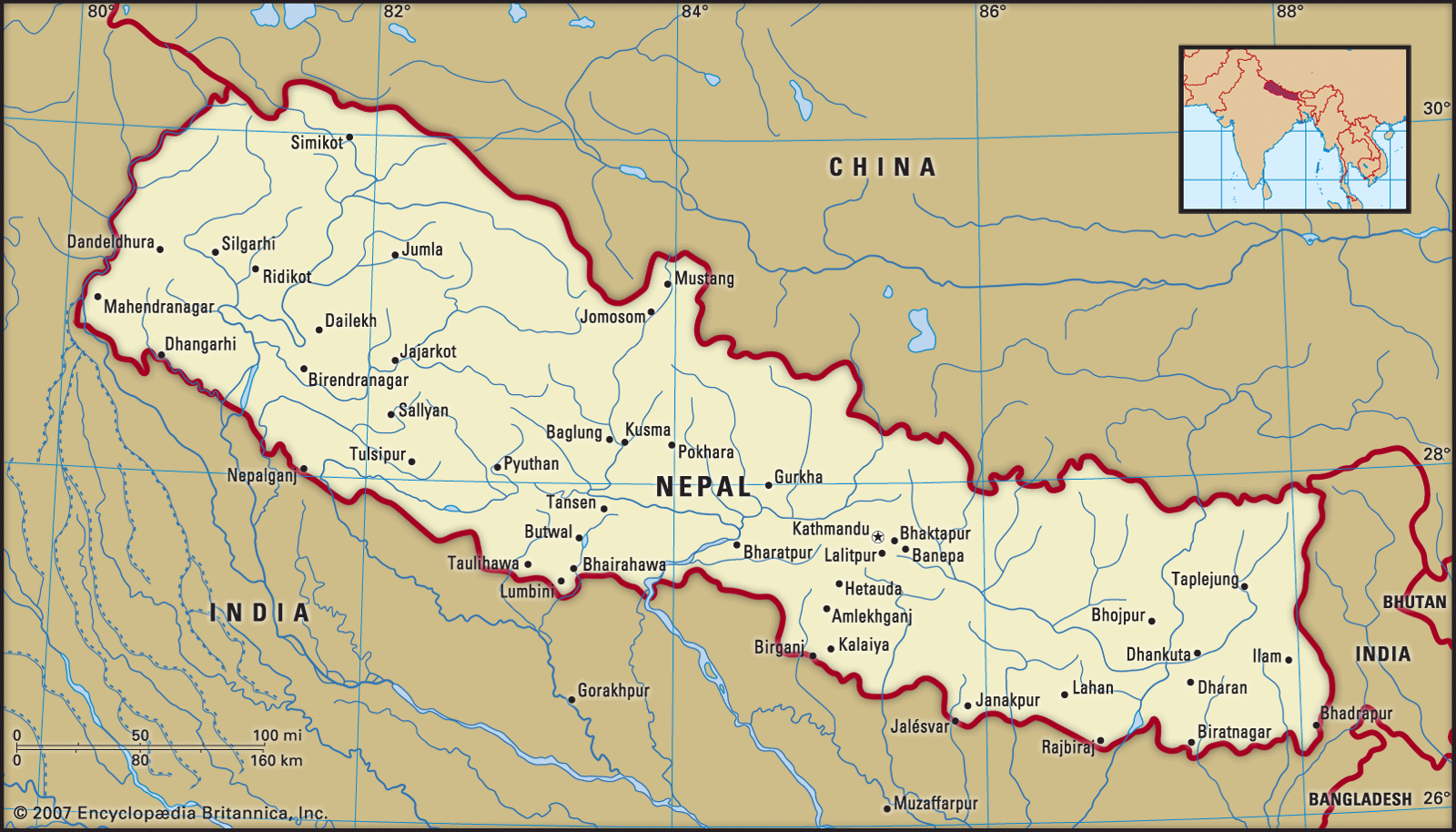
In this episode of 80 Days: An Exploration Podcast, we’ll be talking about Nepal, a small, landlocked country in South Asia. Nepal borders China in the north, India in the south, east and west, and Bhutan is separated from it by the Indian state of Sikkim. Home to eight of the world’s ten tallest mountains, including Mount Everest, this small nation has an expansive and complex history, and was only declared a republic in 2008.

Nepal-map-boundaries-cities-locator

Today Nepal is home to over 28 million people, and has a total land area of around 147,000 square kilometres or 56,000 miles, making it roughly the size of Greece, or the US state of New York. Aside from Everest, Nepal is famous for its strong military, exemplified by the Ghurkas, who played an important role in both world wars, as well as one of the world’s most recognisable flags.

This episode, just like all of our recent ones, is supported by our Patreon backers. If you want to help out the show, you can help out by joining us over on www.patreon.com/80dayspodcast to give us whatever you can in terms of financial support and avail of all the lovely awards and extras that entitles you to. If you’re unable to support us financially, you can always leave us a review on Apple Podcasts or wherever you get your podcasts from.

sujitabh-chaudhary-slkmvAwAWbk-unsplash

Parliament house of Nepal, Kathmandu – Sujitabh Chaudhary

sebastian-pena-lambarri-Wj9ELwGXa6c-unsplash

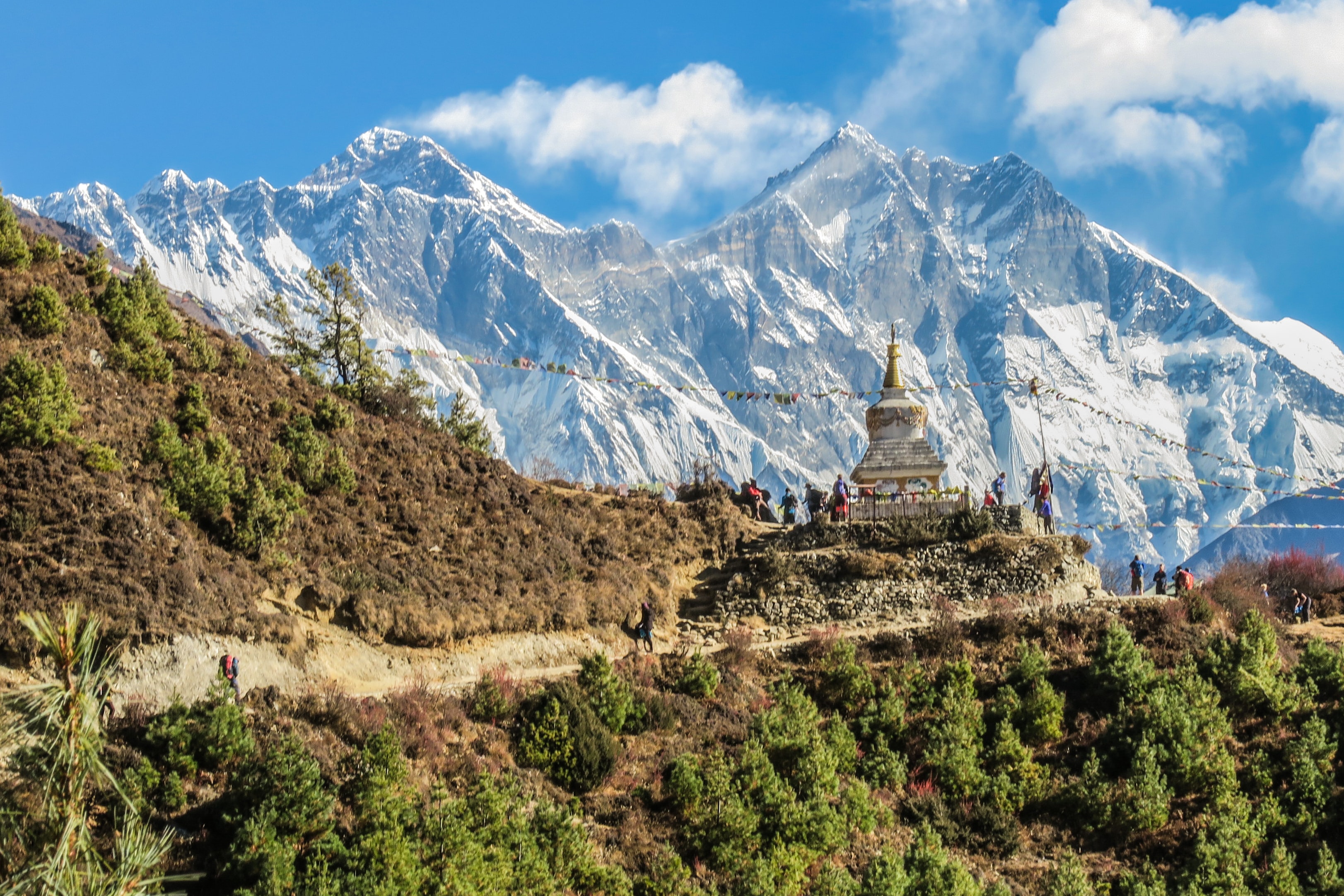
Namche Bazaar, Nepal – Sebastian Pena Lambarri

You can find more on the state flag of Ohio, which we discuss in this episode, here on Wikipedia.

Your hosts, as always, are Luke Kelly @thelukejkelly in Hong Kong, Mark Boyle @markboyle86 in the UK, and Joe Byrne @anbeirneach in Ireland . (Theme music by Thomas O’Boyle @thatthomasfella). We’d also like to thank Professor Lamont Lindstrom for his contribution to this episode. You can find more about him here.


Some further reading:

Music that might interest listeners:


Bhutan (S1.04)

Audio: S1E04 Bhutan

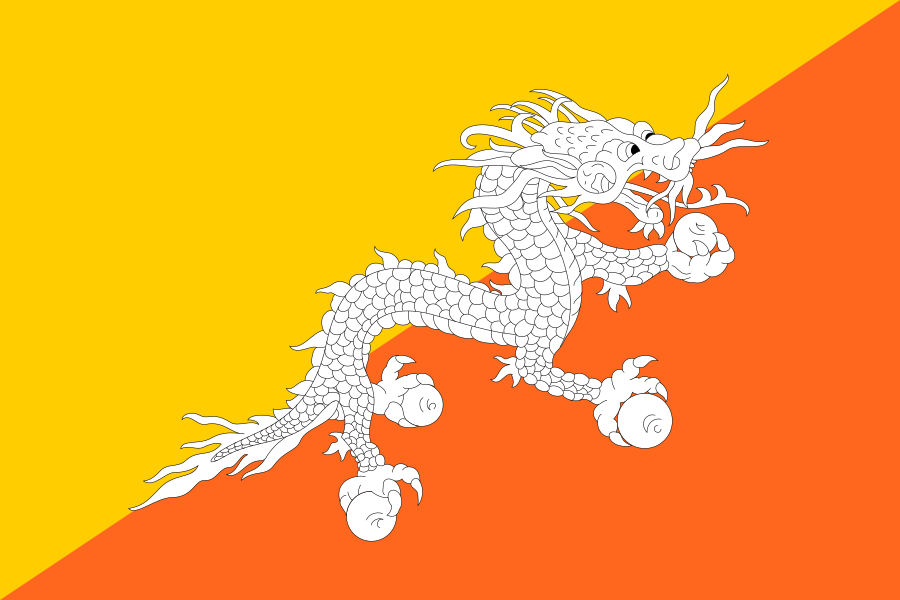
In this episode of 80 Days we’ll be talking about Bhutan a small, landlocked Asian nation with one of the best flags you’ll ever see. Bhutan is a country of less than a million people, bordered by the Tibetan region of China to the North and India pretty much everywhere else. Exploring Bhutan for you are Luke Kelly @thelukejkelly, Mark Boyle @markboyle86 and Joe Byrne @anbeirneach in Hong Kong, the UK and Switzerland, respectively. (Theme music by Thomas O’Boyle)

Flag of Bhutan.svg

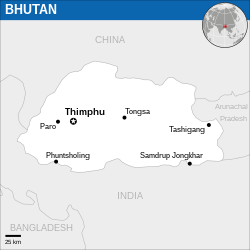
It’s the last of the Himalayan Buddhist kingdoms, which unlike Tibet and Sikkim has retained its independence. Also known as , the “Land of the Thunder Dragon” due to the prevalence of the Drukpa Lineage school of Buddhism (aka the Dragon People). Bhutan is a strongly Bhuddist country, which remained and cut off from the outside world for much of its history. It is one of only a few countries to have been independent throughout its entire history, never conquered, occupied, or governed by an outside power. Since opening its borders to tourists in the 1970s, Bhutan has embraced democracy and now it famously promotes the concept of gross national happiness which is reflected in the Bhutan Gross National Happiness Index.

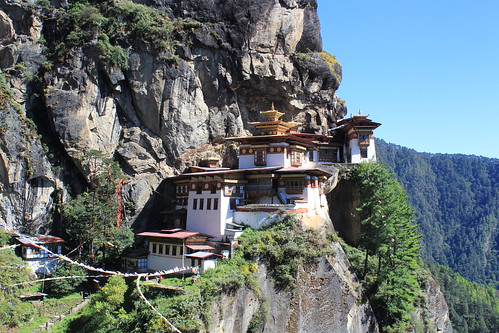
Paro, Taktsang Goemba (Tiger's Nest)

Paro Taktsang/Tiger’s Nest (by Arian Zwegers)

Recommended reading/listening